


Clara Barciela
Hi, I’m Clara. I wrote this to help you plan your trip more authentically, with more clarity and less overwhelm.
Argentina travel tips ( updated 2026) — If you’re dreaming of Argentina, you’re probably already picturing the tango in Buenos Aires, the smoky aroma of an authentic asado (Argentine barbecue) wafting through the air, the vineyards of Mendoza, or glaciers crashing into turquoise waters in Patagonia. But let’s be real — planning a trip here can feel like trying to read a map in the wind.
That’s why we’ve just updated this guide for 2026 — with the latest travel tips, local insights, and everything you need to know to plan the kind of trip most travelers don’t even know is possible.
We’re Clara and Maria, sisters and founders of Across South America, a boutique luxury travel agency based in Argentina. We’ve spent over 20 years helping travelers fall in love with Argentina — not just the places everyone knows, but the hidden gems that most tourists miss. From boutique estancias tucked into the hills of Córdoba to glacier hikes in Patagonia that end with a toast in hand, we curate the kind of trips that feel both exclusive and deeply connected to a place.
This guide is for you if you’re the kind of traveler who prefers slow mornings with artisanal coffee, epic scenery without the crowds, and hotels where the staff greet you by name. These aren’t your average travel tips — these are the insights we share with our clients who want to experience the real Argentina, wrapped in comfort and intention.
So pour a glass of Malbec (yes, we’ll tell you where to find the best one!) and let’s dive in. These are our most essential, local-insider travel tips to help you plan the perfect Argentina experience — this year and beyond.

Planning your Argentina trip and feeling a little overwhelmed by the details? ✨ You’re not alone — and you’re in the right place.
We’re Clara and Maria, sisters and travel designers living in Argentina. With over 20 years of experience helping travelers fall in love with Argentina, we know what it takes to make your journey seamless, elevated, and deeply local — whether it’s your first time or your fifth.
We’re Clara & Maria — local Argentina experts.
Let’s design your custom dream trip — without the stress.
Whether you’re dreaming of sipping Malbec under the Andes, chasing waterfalls in the jungle, or discovering tucked-away estancias in the countryside — this is your go-to guide. We’ve just updated our Argentina Travel Tips for 2026 to make sure you have the freshest, most local advice for planning an unforgettable journey.
Let’s dive in.
Best Time to Visit Argentina — What to Expect in Every Season
1. When to Go to Argentina – Don’t Just Follow the Weather, Follow the Experiences
From glacier treks to tango-filled plazas, here’s how each season offers its own magic.
Argentina is enormous — which means the weather can be completely different depending on where you are and when you go. But here’s the good news: Argentina is a year-round destination with non-extreme climates in most regions. You can visit nearly every corner of the country in any season — the key is knowing how to do it right!
Our seasons are the opposite of the U.S. and Europe. So while it’s cold and grey up north, you could be sipping Malbec in the sunshine or hiking beside glaciers down south. That’s what makes Argentina an ideal destination for off-season escapes, winter honeymoons, or end-of-year adventures when most of South America is still warm and welcoming.
Argentina is one of those rare destinations you can enjoy in every season — it’s all about matching the right regions to the right time of year. Still, if you’re planning a once-in-a-lifetime trip, there are a few “perfect timing” windows worth knowing:
Patagonia shines from November to April (late spring to early autumn), with clear skies and mild temps that are perfect for hiking and cruising between glaciers.
READ MORE
👉 Best Time to Visit Patagonia | Activities & Crowds
👉 Five reasons to go hiking in Patagonia in Autumn
Mendoza’s harvest season peaks in March and April, when vineyard-covered valleys come alive with color and wine celebrations spill into the streets.
Buenos Aires is lovely nearly year-round, but March–May and September–November offer the best balance — warm enough for al fresco tango and cool enough for long city strolls.
🎧 A Local’s Take: Hidden Gems in Buenos Aires
In this mini episode from our podcast “Stories Across South America”, I talked with Lilia — our amazing local host in Buenos Aires — about the side of the city most travelers never get to see. We’re sharing our favorite hidden gems with soul, the kind of places that surprise you with their stories and make you fall in love with Buenos Aires in a deeper way.
If you want to experience the Buenos Aires that locals love — full of character, warmth, and unexpected magic — this short is for you. 🎥
Read More What to See in Buenos Aires: Our Guide for Visiting Buenos Aires, Argentina in 2026
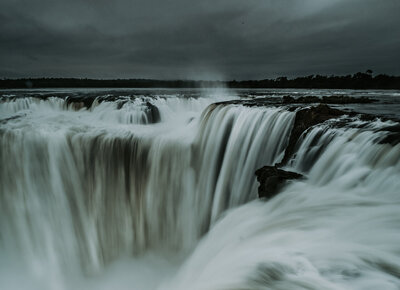
For the tropical northeast (Iguazú Falls), aim for April–June or September–October. You’ll avoid the heavy humidity of summer but still catch the falls at their most powerful.
🗓️ Local tip: Argentina’s cultural calendar is packed. Carnaval in February, The Tango Festival in August, and Wine Harvest Festivals in March are all worth planning around. And if you’re here in November, don’t miss the world-famous Polo Open in Buenos Aires — a favorite for luxury travelers and locals alike.
💫 My personal favorite time to travel? I always travel in Autumn (April or May) — when the country glows in golden light, the crowds ease up, and everything feels deliciously slow and beautiful.
Read More : How to Visit the Famous Waterfalls in Argentina, The Iguazu Falls


2. Argentina by Seasons — Each Season Has Its Best Experiences and Activities
🌍 Argentina Seasons — What to Expect
Let’s be honest — Argentina has so much variety that there really is no bad time to visit… but there is a better time depending on your travel style.
Reminder: Argentina’s seasons are the opposite of those in the U.S. and Europe. That means our summer is your winter — and it’s the perfect time to escape the cold north!
- 🌞 Summer (Dec–Feb): Best for hiking in Patagonia and vineyard lunches with crisp white wine. It’s also Antarctica cruise season — with expeditions leaving from Ushuaia.
- 🍷 Autumn (Mar–May): My favorite season! Harvest time in Mendoza, golden leaves in Patagonia, and comfortable temps for exploring Buenos Aires and beyond.
- ❄️ Winter (Jun–Aug): Quiet and snow-covered — great for glacier views, skiing in Bariloche, and cozy fireplaces in mountain lodges. Whale watching season begins on the Atlantic coast, and Patagonia’s wildlife is more active along the coast.
- 🌸 Spring (Sep–Nov): Tango in the plazas, wildflowers in the Andes, and fewer crowds. Penguins return to the coast, and whales are still visible in Patagonia. Shoulder season magic — ideal for photographers and romantics alike.
Insider tip: If you want the perfect balance of weather, value, and authenticity — plan for the shoulder seasons: April and September. Fewer crowds, ideal temperatures, and a deeper, more relaxed experience of Argentina.
📚 Read More: Seasonal Travel Tips for Argentina
If you’re wondering when exactly to plan your trip, we’ve written more detailed guides on what each season is really like here in Argentina. Whether you’re escaping winter or chasing summer sun, these posts will help you decide:
- 🇦🇷 Argentina in December — A guide to early summer magic, festive vibes, and ideal destinations.
- ☀️ Argentina in January — Where to go for summer fun, fewer crowds, and memorable getaways.
- ❄️ Argentina in Winter — Cozy adventures, glacier views, and snow-capped escapes.
- 🎉 Best Way to Spend New Year’s Eve in Argentina — Local traditions, where to celebrate, and how to do it in style.
✨ These guides are filled with tips from us — Clara & Maria — your local experts here in Argentina.
🌍 Argentina Seasons — What to Expect
Let’s be honest — Argentina has so much variety that there really is no bad time to visit… but there is a better time depending on your travel style.
Reminder: Argentina’s seasons are the opposite of those in the U.S. and Europe. That means our summer is your winter — and it’s the perfect time to escape the cold north!
- 🌞 Summer (Dec–Feb): Best for hiking in Patagonia and vineyard lunches with crisp white wine. It’s also Antarctica cruise season — with expeditions leaving from Ushuaia.
- 🍷 Autumn (Mar–May): My favorite season! Harvest time in Mendoza, golden leaves in Patagonia, and comfortable temps for exploring Buenos Aires and beyond.
- ❄️ Winter (Jun–Aug): Quiet and snow-covered — great for glacier views, skiing in Bariloche, and cozy fireplaces in mountain lodges. Whale watching season begins on the Atlantic coast, and Patagonia’s wildlife is more active along the coast.
- 🌸 Spring (Sep–Nov): Tango in the plazas, wildflowers in the Andes, and fewer crowds. Penguins return to the coast, and whales are still visible in Patagonia. Shoulder season magic — ideal for photographers and romantics alike.
📚 Read More: Seasonal Travel Tips for Argentina
If you’re wondering when exactly to plan your trip, we’ve written more detailed guides on what each season is really like here in Argentina. Whether you’re escaping winter or chasing summer sun, these posts will help you decide:
- 🇦🇷 Argentina in December — A guide to early summer magic, festive vibes, and ideal destinations.
- ☀️ Argentina in January — Where to go for summer fun, fewer crowds, and memorable getaways.
- ❄️ Argentina in Winter — Cozy adventures, glacier views, and snow-capped escapes.
- 🎉 Best Way to Spend New Year’s Eve in Argentina — Local traditions, where to celebrate, and how to do it in style.
✨ These guides are filled with tips from us — Clara & Maria — your local experts here in Argentina.
Flights — How to Get There & Get Around
3. Before You Go: Argentina Is Big — Planning Flights Changes Everything
Argentina’s air travel landscape can feel overwhelming — but mastering your flight routes is one of the smartest ways to make the most of your trip. Unlike smaller countries where ground travel is easy, Argentina’s distances are vast — from glaciers in the south to jungles in the north — and flying wisely means more time exploring what you love.
Whether it’s a non‑stop arrival from the USA, strategic domestic hops, or a scenic private drive, every connection can be part of the adventure — not just a necessity..
From the U.S. to Argentina: Jet Lag is Gentle.
4. How Long Does It Take to Travel from USA to Buenos Aires?
- East Coast → Buenos Aires (non‑stop): ~10–11 hours
- West Coast → Buenos Aires: ~13–15 hours with one stop
Here’s the good news: Argentina shares a similar time zone with the U.S. East Coast (UTC‑3). That means jet lag is surprisingly gentle — so you can hit the ground energized and ready to explore.
Non‑stop vs. Stop flights:
- Non‑stop flights (from NYC, Miami, Atlanta) are ideal — you arrive rested and skip the hassle of layovers.
- One‑stop itineraries (via São Paulo, Lima, or Santiago) often offer flexibility and seasonal pricing benefits.
The country’s largest airport, Ezeiza (EZE), handles most international arrivals, while Aeroparque (AEP) — inside Buenos Aires — connects quickly to domestic flights.
5. Domestic Flights: Why You’ll Almost Always Need a Plane
Once you’re in Argentina, you’ll quickly realize that flying isn’t just one option — it’s often the best (and most time-saving) way to move between regions.
Here’s why:
✈️ Distances between destinations like Patagonia, Mendoza, Iguazú, and Salta are vast — too big to comfortably cover by car without spending multiple days in transit.
🌆 Most domestic routes connect via Buenos Aires, the country’s key travel hub.
🗺️ But there are some seasonal direct routes that make smart loops possible — like El Calafate ↔ Ushuaia, or Bariloche ↔ Iguazú (a favorite combo for our travelers!).
Which airline do we recommend? Right now, Aerolíneas Argentinas is our go-to for domestic flights. Here’s why:
✔️ Frequent departures on key routes
✔️ Strong connections with international arrivals
✔️ Comfortable cabins and reliable onboard service
✔️ Solid punctuality — which has improved significantly in recent years
✔️ More availability during peak travel months
A few important notes:
💺 There’s no business class on domestic flights — and while some planes offer a “premium economy” section, it’s limited and expected to phase out soon. Still, the planes are modern and well-maintained, and for most flights under 3 hours, the experience is efficient and pleasant.
If you want to fly smart — especially during busy months like December to March — planning ahead is essential. Availability gets tight, and the best flight times sell out fast.
READ MORE: 10 Days Patagonia — Our 2 most charming itineraries
6. When to Choose Scenic Transfers Instead of Flying
Not every journey needs to be in the sky.
For shorter distances — say, from Mendoza vineyards to local estancias, or between boutique towns in Patagonia — private drivers and luxury ground transfers can be an experience in themselves.
These rides become:
✔ Unhurried scenic moments
✔ Opportunities to unravel hidden landscapes
✔ Part of the adventure, not a chore
7. Insider Tips for Stress‑Free Flight Planning
Before you lock in any dates:
⭐ Book domestic flights early. Argentina’s most popular routes fill fast, especially in high season (Nov–Mar).
⭐ Check seasonal direct routes. Some connections only operate part of the year — like El Calafate ↔ Ushuaia.
⭐ Account for airport transfers. Buenos Aires traffic can be unpredictable, so always buffer your schedule.
⭐ Fly into Aeroparque (AEP) when possible for faster domestic connections. Ezeiza (EZE) is better for international flights.

Planning your Dream Trip to Argentina?
Get our beautifully curated South America Travel Guide — packed with insider tips, local secrets, and everything you need to plan your most unforgettable journey. It’s our free gift to you!
📩 Send Me the Free Travel GuideDining & Drinking Tips for Argentina — Eat Like a Local (and a Lover of Food)
Argentina’s food and drink culture is one of its most unforgettable charms — and it’s so much more than just steak (though that’s amazing too). From lively wine estates and hidden parrillas to neighborhood cafés and gelato stands on cobblestone streets, here’s how to enjoy the best of Argentina’s culinary scene.
8. The Culture of Asado — Why Sharing a Local Grilled Feast Is So Much More Than a Meal
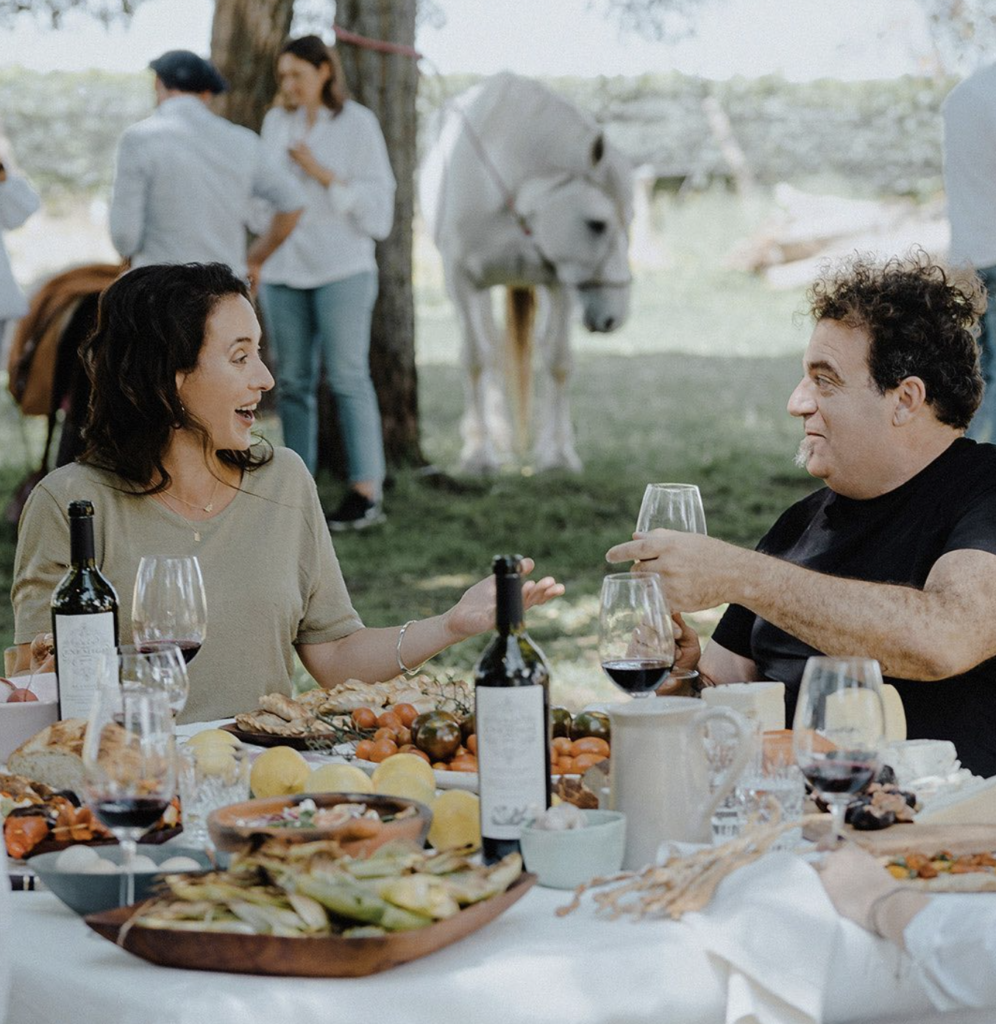
If there’s one tradition that brings Argentines together like nothing else, it’s the asado. More than just grilled meat, an asado is a social ritual — an invitation to slow down, connect, and experience Argentine hospitality at its finest.
It usually happens on weekends, often in someone’s backyard or countryside quinta, where friends and family gather around the fire as the host (asador) takes pride in cooking a slow feast over wood or charcoal. Expect savory cuts of beef, chorizo, morcilla (blood sausage), and sometimes provoleta — grilled provolone cheese with oregano and chimichurri.
🧡 Why we love it: The asado isn’t something you’ll truly understand from a restaurant. This is where our guests often tell us they felt the real Argentina — laughing with locals, sipping Malbec, and hearing stories passed down over generations.
💡 Local Insider Tip: Book a private asado experience in a local home or countryside estancia. We always recommend this to our clients — not just for the food, but for the connection. It’s one of the most meaningful ways to experience our culture.
9. Beyond Asado — Regional Flavors You Must Try
Yes, Argentina is known for its legendary asado (barbecue), but the culinary magic doesn’t stop there. Each region has its own signature dishes that tell a story — and trust us, they’re worth seeking out.
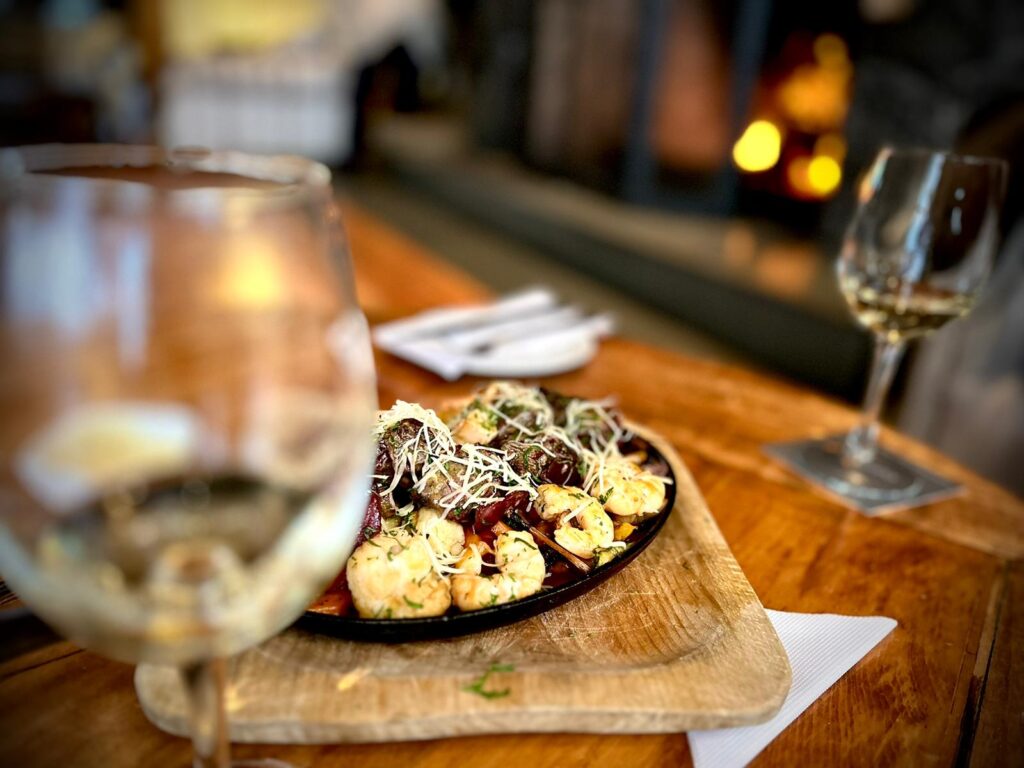
In Patagonia, order the slow-roasted lamb, often cooked over an open flame for hours until tender and smoky. In Ushuaia, near the Beagle Channel, indulge in fresh centolla (king crab) served simply to let its sweet flavor shine.
If you’re headed to Bariloche, prepare for a triple treat: this lakeside town is famous not only for its decadent artisan chocolate and melt-in-your-mouth alfajores, but also for its booming craft beer scene. Dozens of cervecerías serve up small-batch brews in cozy wooden lodges — the perfect way to end a hike or lakeside adventure.
And don’t miss the chance to try dulce de leche — Argentina’s signature caramel. Spread it on toast, swirl it into dessert, or order it in a scoop of gelato (yes, it’s heavenly).
✨ Insider tip: One of our favorite luxury stays in El Chaltén treats guests to a local lamb tasting by the fire, followed by homemade dulce de leche ice cream. Yes, it’s as dreamy as it sounds.

10. Tipping in Argentina — What You Should Know
Tipping isn’t a big show here — it’s thoughtful and fair.
- In restaurants, 10% is generally not included on the bill.
- For wine tastings or tasting menus, rounding up the bill or adding a bit for your sommelier is appreciated.
- Taxi and private transfers don’t require tips.
- For concierge, guides, or drivers, small tips can be a lovely touch.
Keep a few small bills on hand just for this — and trust us, you’ll want to reward exceptional service when you get it!
11. Love Wine? Don’t Miss This — Where to Sip (and Ship!) Argentina’s Best Bottles
If you’re a wine lover, Argentina won’t just impress you — it’ll completely win you over. Here, wine isn’t just something we serve with dinner; it’s a part of everyday life, a symbol of hospitality, and a way we celebrate the land around us.
So where should you go?
🍇 Mendoza: Welcome to Argentina’s wine capital. Just a short flight from Buenos Aires, Mendoza’s Luján de Cuyo and Uco Valley are where Malbec dreams come true. But it’s not just about bold reds — you’ll find boutique vineyards crafting beautiful Cabernet Franc, Syrah, and complex blends, too. The real magic? Private tastings with small producers, lunch with mountain views, and a pace that invites you to savor every sip.
Planning to include Argentina’s wine country in your journey? Our Mendoza Wineries Guide shares how to choose the right wineries, regions, and itinerary ideas based on your travel style.
⛰️ Salta & Cafayate: Head north and go higher — literally. These vineyards sit at some of the highest altitudes in the world. The signature white here is Torrontés: crisp, floral, and unlike anything else. Paired with stunning desert landscapes and warm hospitality, it’s a completely different — and totally unforgettable — wine experience.
READ MORE: Colome Winery & Estancia — a Hidden Gem in a Hidden Gem Destination

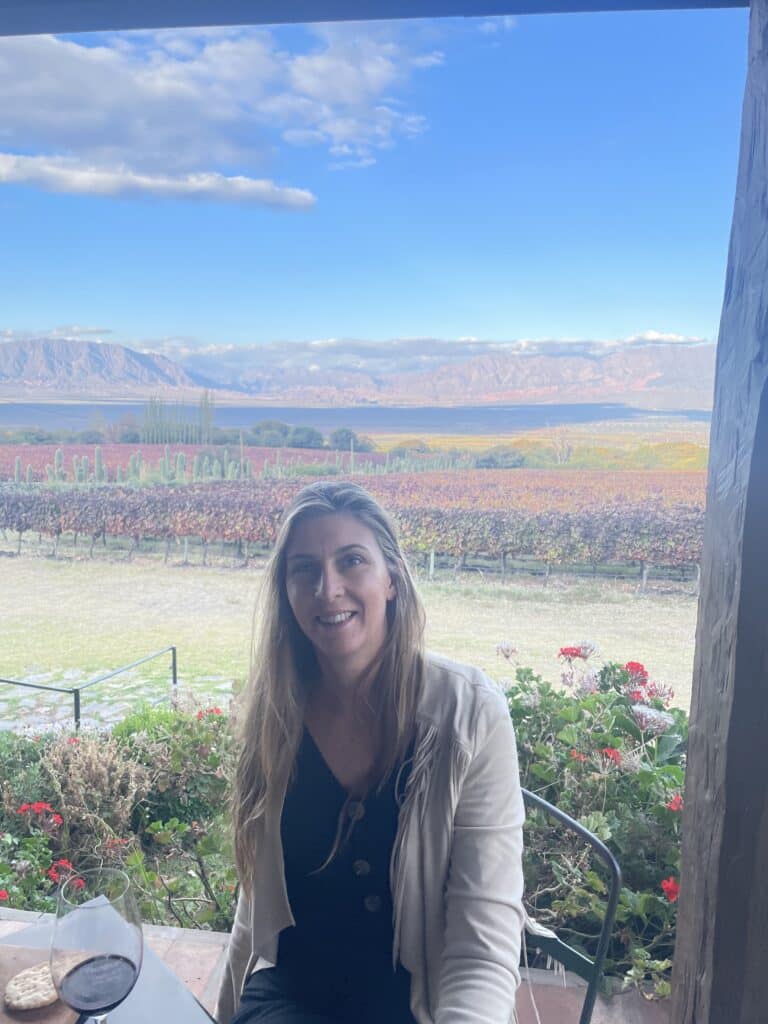
💡 Local Tip: Fell in love with a label? Don’t worry about packing bottles in your suitcase. Many wineries in Argentina offer international shipping — so your favorite wine can be waiting for you at home, just in time to uncork and reminisce.
12. When Argentines Eat — Timing Matters
Unlike many places in the U.S., meal times in Argentina run late and deliciously unhurried:
Lunch: Typically 12:30pm–3pm
Dinner: Often 8pm–11pm or later
Restaurants don’t rush you — meals are a long, social experience. If you’re arriving early (say 6pm), you might be one of the first diners. If you wait until 9pm, you’ll be perfectly in sync with locals.
13. Enjoy Plenty of Ice Cream Throughout Your Trip
Gelato lovers rejoice! Argentina embraces ice cream like few countries do. Argentine heladerías (ice cream shops) are everywhere, and you’ll find classic favorites alongside local flavors like dulce de leche granizado, marcella, or malbec sorbet — perfect for a late‑afternoon treat after a long city stroll or vineyard visit.
Scoop it by the cup, sample tastings at multiple shops in one day, or pair it with strong coffee for an indulgent pick‑me‑up.
14. Visit a Buenos Aires Café and Taste a Medialuna
Café culture in Buenos Aires isn’t just about coffee — it’s about connection and nostalgia. Sit at a sidewalk table, watch the world go by, and order a café con leche with a medialuna (a sweet, buttery crescent roll that’s Argentina’s answer to a croissant).
Some of the city’s old‑world cafés feel frozen in time — elegant wood interiors, polished tile floors, and servers who make you feel like a local before you even taste your first sip.
15. Pizza, Pasta & Italian Influence
Argentines embraced Italian immigrants with open arms, and one of the best legacies is in the food.
Pizza: Thick, cheesy, addictive — often with fugazzeta (onion and mozzarella) or a la piedra (stone‑baked).
Pasta: Homemade—think rich sauces, gnocchi, and seasonal ingredients.
Fainá: A chickpea flatbread traditionally eaten on top of pizza — and yes, it’s delightful.
Dining here feels like a celebration of life and shared tables. These comfort foods are perfect after a day of exploring, hiking, or wine tasting.
Is Argentina Safe? Yes — But Here’s How to Travel Smart
Let’s get straight to it: Argentina is generally a very safe country for travelers, even for solo adventurers or couples exploring independently. But like any destination, knowing what to expect — and preparing a little — goes a long way.
16. How to Travel Smart in Buenos Aires
In cities like Buenos Aires, the energy is incredible, but so are the crowds. Keep your belongings close, avoid flashy jewelry, and use your hotel safe for passports or extra cash. Most neighborhoods are walkable and friendly, but we always suggest asking your hotel or host for the latest local advice (we do this for all our clients).
17. How to Travel Outside Buenos Aires
Places like Patagonia, Salta, and the wine regions are peaceful and feel incredibly secure. In fact, many of our travelers are surprised by how relaxed and welcoming these remote areas are.
Travel insurance is a must. Not just for peace of mind, but because so many of Argentina’s best experiences — like glacier treks, horseback rides, and mountain hikes — are in remote areas. Good coverage ensures that if you need help, you get it fast and hassle-free.
Argentina rewards smart travelers. With a bit of prep and local know-how, you’ll feel confident, comfortable — and totally at home.
Itinerary Planning Tips for Argentina — How to Build a Trip You’ll Actually Love
Planning an itinerary for Argentina can be one of the most exciting — and most overwhelming — parts of your trip. With so many incredible regions — from Patagonia’s glaciers to Mendoza’s vineyards, Iguazú’s jungle, and the cultural rhythm of Buenos Aires — it’s easy to want to do everything at once.
But here’s the truth: you’ll have a far more magical experience if you plan intentionally and realistically.
18. Decide What Kind of Trip You Want First
Argentina has something for every type of traveler — adventure seekers, food & wine lovers, honeymooners, family reunions, and nature lovers. Before you map cities and dates, ask yourself:
What experiences matter most?
Do you want active days in nature or slow cultural afternoons?
Are food and wine central, or is it wildlife and landscapes?
Starting with purpose will make the rest of your planning much clearer.
19. Be Realistic About Time — You Can’t See It All in One Trip
Argentina is huge. Distances between regions feel longer than they look on a map — Patagonia in the south, the jungle in the northeast, and the wine valleys in between. If you try to cram too much in, you’ll spend more time traveling than exploring.
Most travelers find that 10–14 days is a wonderful introduction without feeling rushed — but you could spend months here and not see it all. If your itinerary tries to visit six regions in two weeks, consider paring it down so you can enjoy each place deeply instead of racing through it.
🗺️ Need Help Building Your 10-Day Argentina Itinerary?
If you’re wondering what to include in Argentina in 10 days (and how to connect destinations without wasting time), we put together a list of our favorite itinerary ideas — designed for travelers who want the best mix of culture, nature, comfort, and unforgettable experiences.
This guide includes 10 curated itinerary options for different travel styles — from Patagonia adventures to wine + foodie escapes.
👉 Read: 10 Great Ideas for a 10-Day Argentina Itinerary (2026)20. Build in Buffer Time for Weather & Wildlife
Nature is a major reason to come here — glaciers, waterfalls, pampas, penguins, and whales — but weather and wildlife don’t follow a schedule. Your Argentina itinerary will be stronger if you allow extra days around your must‑do experiences.
For example:
Patagonia glacier days: give yourself a day or two extra in case wind, rain, or sea conditions shift your plans.
Wildlife watching: whales and penguins can be unpredictable — more time means a better chance you’ll see them.
Wine visits: weather can impact outdoor tastings and vineyard walks; a flexible afternoon lets you swap in another wine region or experience if needed.
21. Book Ahead, Especially During High Season
Argentina’s most iconic experiences — glacier tours, vineyard lunches, boutique lodges, and domestic flights — fill up quickly between November and March. During peak travel windows or around big festivities (like Carnaval in Feb or the Polo Open in Nov), advance reservations aren’t just practical — they’re essential.
Hotels, the best private local guides, and even specialty restaurant experiences can sell out months ahead, especially at boutique or high‑end properties.
22. Sequence Your Route Logically
Because of Argentina’s size, routing matters. A smooth itinerary flows logically from one region to the next — reducing backtracking and minimizing travel fatigue:
North → Central → South: e.g., Iguazú → Buenos Aires → Patagonia.
Region clusters: For foodie and wine lovers, plan Buenos Aires → Mendoza → Salta wine routes.
Seasonal logic: Patagonia is best late spring to early autumn, while wine regions are spectacular through harvest months.
Bad routing adds hours of travel you’ll never get back — and misses the opportunity to savor each place on its own terms.
23. Ask for a Second Opinion
Even seasoned travelers sometimes struggle with balance and timing. Talking with someone who lives here can reveal insights you might never find on a map — like regional logistics, weather patterns, peak wildlife viewing times, and hidden‑gem experiences.
This doesn’t make your itinerary less “yours” — it makes it smarter.
Argentina is not a checklist. It’s a place that rewards thoughtful travel — where slow mornings, long lunches, and unexpected detours often become your favorite memories. If you plan with intention, embrace a little flexibility, and let each region surprise you, your itinerary won’t just be efficient — it will feel effortless and deeply personal.
READ MORE: Two Weeks Itinerary to Argentina for Nature Lovers: Ibera Wetlands, Iguazu Falls & the Northwest
24. From Estancias to Wine Lodges — Choose Character Over Chains
Let’s talk about where to stay in Argentina — because trust me, your accommodation can totally shape your experience here. The good news? You’ve got amazing options. From elegant boutique hotels in Buenos Aires to cozy mountain lodges in Patagonia and dreamy wine lodges in Mendoza, Argentina does comfort really well — but in a way that feels warm and authentic, not over-the-top.
A few tips: Most hotels (even the small boutique ones) include a full breakfast — and we’re talking delicious spreads with pastries, fruit, eggs, and really good coffee. And if you’re staying at a wine lodge or estancia, meals often include local cuisine and regional wines, which makes the whole stay feel extra special.
Not sure where to start? We’ve put together a list of our favorite luxury hotels in Argentina, all handpicked for their charm, service, and unforgettable locations.
👉 Check out our Curated Guide of Luxury hotels in Argentina Here
— it’ll help you find your perfect match, whether you’re dreaming of vineyard views or waking up to glacier peaks.
Trip Preparation Tips for Argentina — Start Smart, Travel Better.
Planning a trip to Argentina isn’t hard, but it does help to know a few essentials before you land — especially if you want a seamless experience from the moment you arrive. Here’s what we recommend:
24. Check Your Passport & Entry Requirements
Argentina allows visa-free entry for many nationalities (including U.S. and EU citizens) for up to 90 days. But your passport must be valid for at least 6 months beyond your return date. No reciprocity fees are currently required for U.S., Canadian, or Australian travelers — but it’s still smart to double-check with your local consulate.
25. Bring a Mix of Cash & Cards — But Be Strategic
Cash is king in many parts of Argentina — especially smaller towns and more remote regions. While credit cards are widely accepted in major cities and hotels, having Argentine pesos on hand is a must for local markets, small cafés, and tipping guides or drivers.
Pro tip: Ask your hotel for the best currency exchange option — they’ll usually know where to go to get a fair rate.
26. Pack Smart for Multiple Climates
Packing for Argentina depends entirely on your route — but versatility is key. Bring layers if you’re visiting Patagonia or the Andes (weather can shift fast), and comfortable walking shoes for cobblestone streets or nature trails. In cities, people tend to dress well — casual-chic with personality goes a long way.
Leave space in your suitcase — trust us, between the leather goods, wine, and handmade souvenirs, you’ll want to bring something home.
27. Argentina Runs Late — And That’s a Good Thing
Argentine schedules are relaxed. Dinner often starts after 8:30 p.m., stores reopen after siesta in the afternoon, and weekends are for slow, long meals. Embrace the rhythm — it’s part of what makes travel here so immersive.
28. Bring the Right Adapter — And Skip the Hair Dryer
Argentina uses 220V AC electricity, and plugs typically have two flat pins angled in a V-shape, or three-prong configurations. Bring a universal adapter (with surge protection if possible). Most luxury hotels have hair dryers — and voltage differences mean yours from home might not work well here.
29. Don’t Forget Travel Insurance
We always recommend getting comprehensive travel insurance that covers health, cancellations, luggage, and outdoor activities — especially if your itinerary includes trekking, glacier hiking, boating, or rural excursions. Even in remote regions, Argentina has excellent emergency medical care, but being prepared gives you peace of mind.
30. Learn a Few Spanish Phrases
While many people in tourism speak English, a little Spanish goes a long way. Even a “gracias” or “buen día” can open doors — and earn a big smile. Don’t stress about fluency. Argentines are warm, and they’ll appreciate your effort.
❤️ How We Can Help You Plan Your Argentina Trip
Let’s be honest — planning the perfect Argentina trip can be a bit overwhelming. Between internal flights, hotel choices, and deciding which wine region, glacier, or tango hall to prioritize… it’s a lot.
That’s where we come in. If you want a journey that’s personal, seamless, and full of unforgettable moments, we’d love to help you design it. From private guides to boutique stays, we’ll help you plan a custom itinerary that matches your pace and style — so you can just show up and enjoy.
👉 Start Here to take the first step toward your dream Argentina vacation.
❓ Frequently Asked Questions About Traveling to Argentina
Still have a few questions before you start planning? You’re not alone. Here are some other questions travelers ask us most often. If you don’t see your question here, reach out to us in our Facebook Group directly and ask your questions — we’re happy to help!
Do and don’ts in Argentina?
Do greet people with a kiss on the cheek — that’s how we say hello here, even with new friends! Try to learn a few words in Spanish — a simple “hola” or “gracias” always brings a smile. Be open to late dinners (yes, 9 or 10 pm is totally normal!) and don’t miss a chance to enjoy mate — it’s more than tea, it’s a ritual we love to share.
Don’t flash your valuables around, especially in busy areas — just be street smart, like in any big city. Don’t expect everything to run exactly on time — we tend to be a bit more relaxed with schedules. And maybe don’t dive into a tango if you haven’t had a lesson… but do watch one in Buenos Aires — it’s pure magic.
What do I need to know before traveling to Argentina?
Argentina is safe, welcoming, and full of surprises — but there are a few things to know before you land. Our currency can be tricky, so we always recommend arriving with some cash (USD is best) and using authorized exchange places. Credit cards work in most cities, but not always in remote areas — especially Patagonia or the north.
Our seasons are opposite to the U.S. and Europe, so pack accordingly! And distances here are huge — flying is often the best way to get around.
Lastly, get ready to slow down. We eat late, we take long lunches, and we believe travel should be savored — just like our Malbec. ❤️
Is Argentina friendly to American tourists?
Absolutely — yes! As locals, we can confidently say that American travelers are not only welcomed, but often treated like family. People here are warm, curious, and eager to share their culture — whether that’s over a glass of wine, a tango show, or a traditional asado.
Many Argentines speak at least some English (especially in hotels and main cities), and we love it when visitors try out a few Spanish words — even a simple hola or gracias goes a long way. You’ll feel right at home.
30 Argentina Travel Tips 2026 — by Locals Who Live Here
MEET US