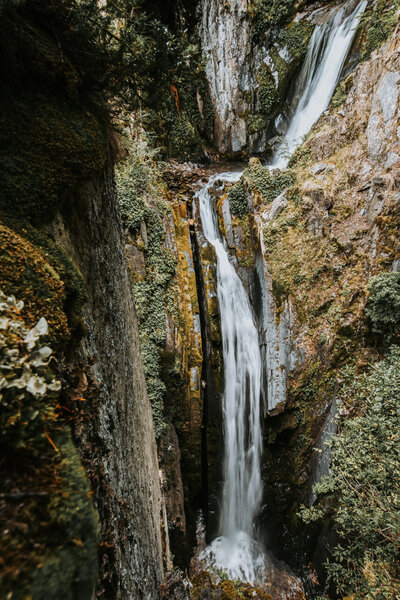
A strategic guide to the decisions that shape Patagonia trip planning — from timing and routing to lodge rhythm and travel pace.
Patagonia is not difficult to visit — but it is surprisingly easy to design poorly.
Many travelers begin by choosing the famous places first: Torres del Paine, Perito Moreno Glacier, El Chaltén.
Only later do they discover the distances, the seasonal constraints, the flight patterns, and the pacing required to connect them well.
And that is often where Patagonia trip planning begins to feel more complicated than expected.
The real difference, however, lies in the decisions behind the journey:
You need to begin with structure.
With timing.
With rhythm.
Because Patagonia rewards thoughtful design.
And the right decisions — made early — shape everything that follows.
If you are beginning your Patagonia trip planning, these are the seven decisions that matter most.
7 Patagonia Trip Planning Decisions at a Glance
-
1. Argentina, Chile — or Both?
The first structural decision is whether to focus on one side of Patagonia or combine both countries with enough time to keep the journey balanced. -
2. When to Visit Patagonia
Timing shapes everything — weather, daylight hours, crowd levels, and the overall rhythm of the trip. -
3. Your Travel Style
Patagonia can be hiking-focused, lodge-based, or a slower scenic journey. Deciding this early helps design the right pace. -
4. Flights and Logistics
Distances are vast and routes are limited. Smart sequencing between regions prevents the trip from feeling rushed. -
5. Where to Stay
Lodges, boutique hotels, and remote properties each create a different experience and travel rhythm. -
6. How Many Days Patagonia Needs
The region rewards slower travel. Most well-designed journeys allow time to stay in fewer places and explore them deeply. -
7. The Difference Between a Trip and a Designed Journey
Beyond hotels and excursions, thoughtful planning creates the smooth transitions and pace that make Patagonia feel effortless.
How is Patagonia designed properly?
In this blog post, we’re focusing on one question: How is Patagonia designed properly?
Because when the rhythm is right, and logistics are smooth, Patagonia feels expansive instead of exhausting.
Before choosing lodges or routes, there are 7 key decisions that shape the entire experience, from timing and pacing to how you move between Chile and Argentina.
→ If Patagonia is on your mind for 2026 or beyond. We invite you to continue reading and begin with clarity your Patagonia planning.
If you’d like to see how this approach translates into real journeys, take a look at a few examples of how we design private Patagonia trips across the region.
→
Explore Our Patagonia Journeys
Before You Plan Patagonia: Start With These Decisions
Decision 1. Argentina, Chile — or Both?
The first structural decision in Patagonia trip planning is whether to focus on one side of Patagonia or combine both countries. Argentine Patagonia and Chilean Patagonia offer different landscapes, travel rhythms, and lodge styles. Both are extraordinary, but the order and structure of the journey matter more than most travelers expect.
Decision 2. When to Visit Patagonia
Timing shapes the entire experience in Patagonia. Weather, daylight hours, wind patterns, and crowd levels all change dramatically across the season. Choosing the right month helps determine how calm, private, or active the journey will feel
For a detailed breakdown of weather patterns, travel timing, and what each month in Patagonia actually feels like on the ground, see:
→ Best Time to Visit Patagonia
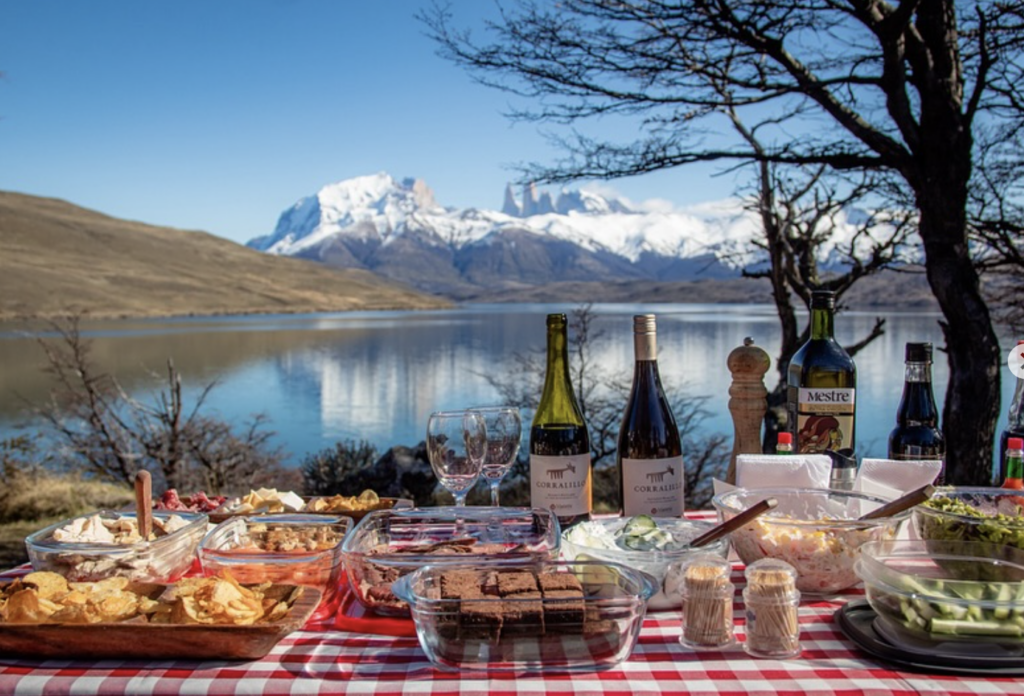
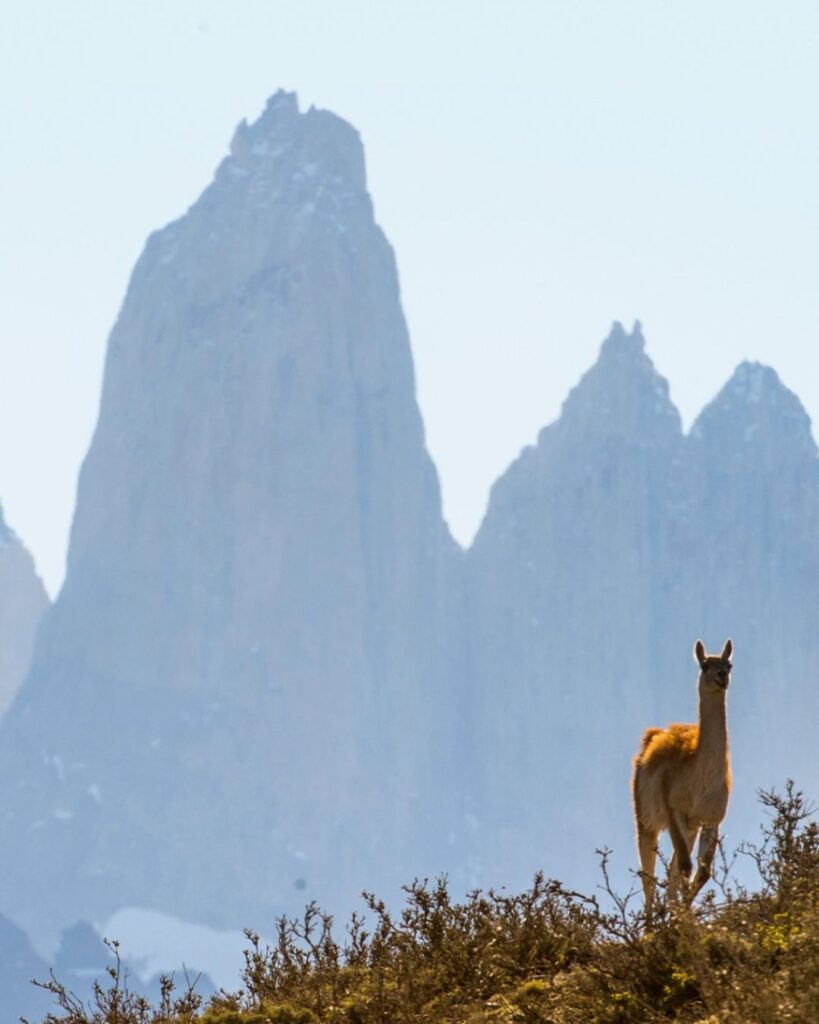
If you’re planning your route through Argentine Patagonia, this guide explores two of the region’s most iconic destinations — El Calafate and El Chaltén — with the experiences, landscapes, and moments that shape a well-designed Patagonia itinerary.
Decision 3. Your Travel Style
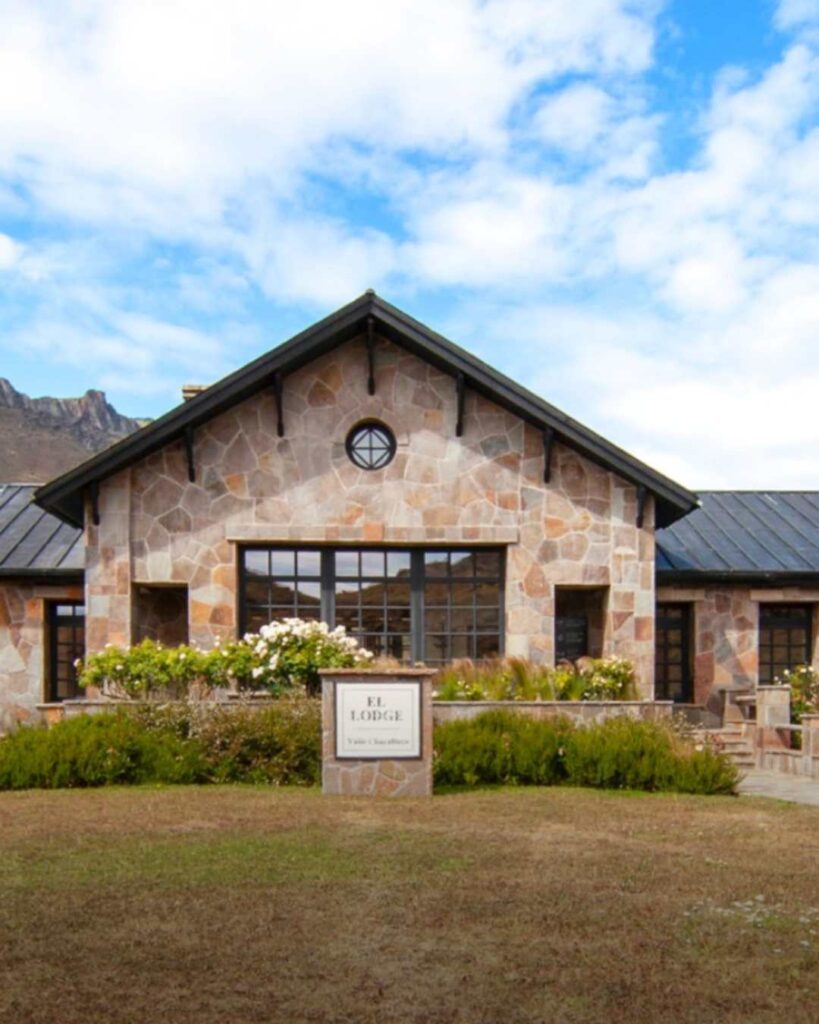
Patagonia can be experienced in many ways. Some travelers focus on hiking and long outdoor days, while others prefer lodge-based exploration with scenic walks, wildlife, and quiet time in the landscape. Clarifying the type of experience you want early helps design the right pace
Decision 4. Flights and Logistics
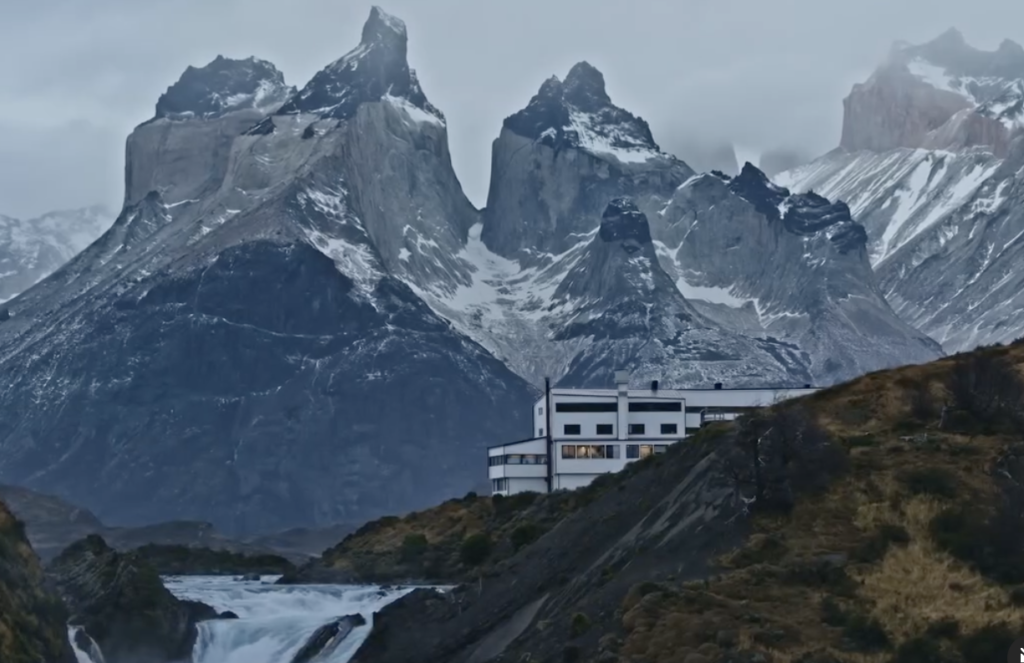
Distances in Patagonia are vast and flight routes are limited. Transfers between regions often involve several hours of travel, and border crossings can influence the entire sequence of the trip. Smart routing prevents unnecessary backtracking and keeps the journey feeling smooth
Many travelers realize at this point that designing Patagonia well is less about choosing hotels and more about sequencing the journey correctly. If you’d like help thinking through seasonality, routing, and lodge rhythm, schedule a Patagonia planning session with Clara and Maria .
Decision 5. Where to Stay
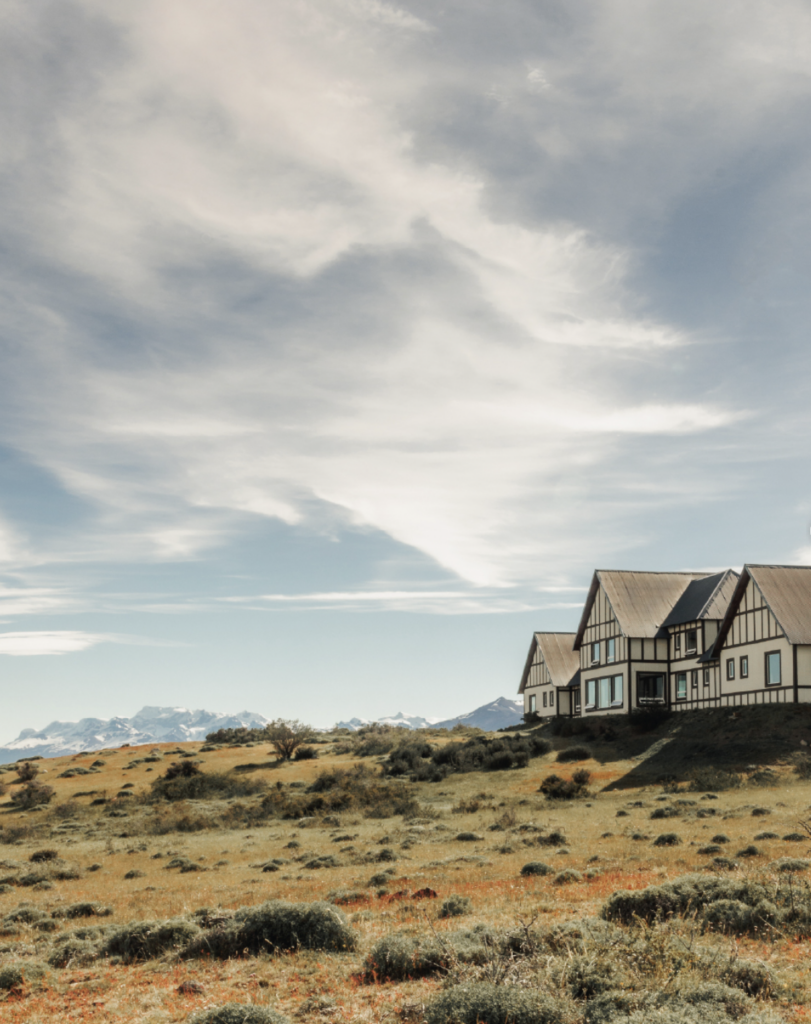
Accommodation shapes the rhythm of the trip. Lodges inside national parks create immersive nature experiences, while boutique hotels in gateway towns offer flexibility and independence. The right balance depends on how much structure or freedom you prefer during the journey.
For a deeper planning on Patagonia properties across regions : → Luxury Patagonia Hotels
Decision 6. How Many Days Patagonia Needs
One of the most common Patagonia planning mistakes is trying to see too much in too little time. The region rewards slower travel, with fewer destinations and more time in each place. Most well-designed Patagonia journeys allow space for exploration without feeling rushed
Patagonia reveals itself differently depending on the rhythm of the journey — the lodges you choose, the landscapes you connect, and the pace that allows the region to unfold naturally.
If you’d like to see how these decisions translate into real journeys, we’ve gathered a few examples of how we design Patagonia trips across Chile and Argentina.
Decision 7. The Difference Between a Trip and a Designed Journey
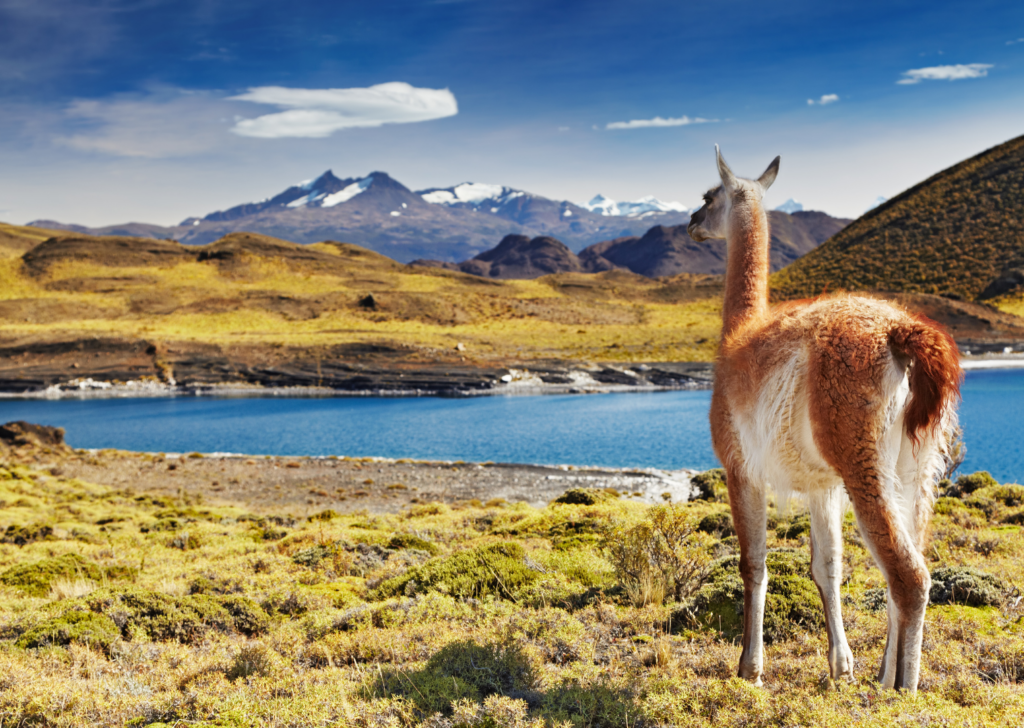
A trip is simply a list of hotels, flights, and excursions. A thoughtfully designed journey considers pacing, transitions, guiding, and the small details that make travel feel effortless. In a place as vast as Patagonia, those design choices shape the entire experience.
Why These Decisions Matter
Patagonia is one of the most rewarding landscapes on earth to explore.
But it is also a region where the structure of the journey matters more than most travelers expect.
Distances are large. Weather patterns shift quickly. National parks and remote lodges operate within a relatively short season. And flights between regions are not always daily.
When these elements are thoughtfully sequenced, Patagonia feels calm and expansive.
When they are not, the trip can quietly become a series of transfers between famous places on a map.
That is why Patagonia trip planning is less about listing destinations and more about understanding how the pieces of the journey fit together.
A well-designed trip is not simply a collection of beautiful places.
It is a rhythm
Common Patagonia Trip Planning Mistakes
Over the years, we have noticed a few patterns that often create unnecessary stress in Patagonia itineraries.
The first is trying to include too many regions in one trip.
Patagonia may look compact on a map, but distances between places can involve several hours of travel. Adding too many stops often creates a rushed pace.
Another common mistake is underestimating the importance of seasonality.
Weather conditions, daylight hours, and lodge availability vary widely throughout the Patagonia travel season. Choosing the right time for the style of trip you want is essential.
Routing is another area where small decisions matter.
Flights between Argentina and Chile, border crossings, and transfer logistics can easily influence the order of the journey. When those pieces are sequenced well, the trip feels effortless.
When they are not, the days can feel fragmented
How Patagonia Journeys Are Usually Designed
Most well-balanced Patagonia journeys follow a simple principle.
Fewer bases, more depth.
Instead of moving every day, travelers stay longer in one region and explore from a comfortable base. This allows time to walk, navigate lakes, experience the landscape, and enjoy the quiet rhythm that Patagonia naturally invites.
For example, many travelers combine:
Torres del Paine in Chile for lodge-based exploration.
El Calafate for the Perito Moreno Glacier and scenic navigation.
El Chaltén for accessible hiking and dramatic mountain landscapes.
Together, these destinations offer a powerful introduction to Patagonia without overwhelming the itinerary.
If you would like to see how these regions connect in a real itinerary, you can explore our guide here:

We are Clara and Maria, founders of Across South America. For nearly two decades, we’ve designed private Patagonia journeys for travelers who care about how the experience feels — not just what it includes.
If Patagonia is on your mind, a Strategy Session with us is the calm first step: we’ll map the right season, the best routing, and the lodge rhythm that matches your travel style.
Patagonia is easy to dream about — and easy to design wrong. A Strategy Session helps you choose the right season, routing, and lodge rhythm for how you like to travel.
Clara & Maria — founders of Across South America.
A Boutique Approach to Patagonia Trip Planning
At Across South America, we often describe our work as boutique travel design.
Not because the trips are luxurious in a traditional sense, but because each journey is structured around the traveler.
Some people come to Patagonia to hike.
Others come for wildlife, glaciers, the quiet landscapes, and the delicious food and wine.
Many travelers simply want to experience the region at a thoughtful pace, with the logistics handled smoothly so they can focus on the landscape around them.
Designing the trip around those intentions changes the experience entirely.
It allows Patagonia to unfold naturally.
Your Next Step in Patagonia Trip Planning
Once these structural decisions are clear, the rest of Patagonia planning becomes much easier.
Choosing the right lodges.
Sequencing regions.
Designing daily activities.
Choosing the best restaurants.
Creating the right balance between exploration and rest.
If you would like to explore how a private Patagonia journey typically comes together, our guide below walks through the design process in more detail.
And if you would like to see a few examples of Patagonia journeys already designed, you can explore our Patagonia trips here:
Patagonia is extraordinary.
But the way the journey is designed is what allows you to truly experience it
Frequently Asked Questions About Patagonia Trip Planning
How many days do you need in Patagonia?
Most well-designed Patagonia journeys need at least 7–8 days for one region, and 10–12 days if you want to combine two major areas without rushing
Is it better to visit Argentine Patagonia or Chilean Patagonia?
Both are extraordinary, but they offer different experiences. Argentine Patagonia often focuses on glaciers and trekking, while Chilean Patagonia is frequently shaped around Torres del Paine and lodge-based exploration
When is the best time for Patagonia trip planning?
The main Patagonia travel season usually runs from November through March. Shoulder seasons like October and April can also work beautifully, but they require more careful planning around weather, daylight, and lodge availability
What should a Patagonia trip planner consider first?
A Patagonia trip planner should first consider timing, region focus, overall pace, and how many bases the journey should realistically include before choosing specific lodges or excursions.

Planning a Patagonia journey?
Before confirming flights or choosing lodges, access our South America Travel Guide. It offers the broader context most travelers wish they had earlier — seasonality, destination flow, and the small decisions that shape a well-designed journey.
If Patagonia is on your mind, this guide helps you step back first — so the choices you make next (timing, pace, and where to base yourself) feel thoughtful and clear.
Planning Patagonia?
Get our South America Travel Guide — a quick overview of the seasons, regions, and planning decisions that shape a well-designed Patagonia journey.