


Maria Barciela
Hi, I’m Maria. I wrote this to help you plan your trip with clarity and ease.
What’s the best way to visit Machu Picchu?
Almost every Peru conversation starts the same way — often within the first few minutes of a planning call with one of our travelers:
“Do we need to hike Machu Picchu?”
And on the surface, it seems like a simple question.
But it usually points to something deeper.
Not about hiking.
But about the kind of experience you want to have.
Do you want something more active — moving quickly between places?
Or something more immersive —
with time to slow down, adjust to altitude, and actually enjoy where you are?
Because in Peru, that choice shapes everything.
The route.
The pacing.
How the journey feels, day by day.
And most of it isn’t obvious when you’re just starting to plan.
In this guide, I’ll walk through what most travelers don’t realize before they go: how Machu Picchu tickets and circuits work today, why one day is often not enough, why staying overnight in Aguas Calientes can completely change the experience, and how to design a Peru journey that feels connected rather than rushed.
Machu Picchu is extraordinary.
But the best way to visit it is rarely the fastest.
What’s the Best Way to Visit Machu Picchu?
The best way to visit Machu Picchu is to give it time — not just to see it, but to experience it.
That’s why we often recommend staying one night in Aguas Calientes, allowing for a second visit and a much more relaxed, immersive experience.
If you’re starting to think about your trip—or want to explore what’s possible beyond Machu Picchu—our curated South America guide is a great place to begin.
Before You Plan Machu Picchu, This Matters
Machu Picchu is one of the most visited places in South America — and for good reason.
It’s extraordinary. But precisely because so many people want to experience it, how you approach it matters more than most travelers expect. We’ve seen it happen many times: arriving after a long journey, only to find crowds, rigid schedules, and a pace that feels disconnected from the place itself.
What should feel meaningful can quickly become overwhelming — or even disappointing.
That’s why we think about Machu Picchu differently. Not as something to check off, but as part of a journey designed with intention. A slower, more thoughtful way of experiencing it — where the rhythm, the transitions, and the time you give it allow you to actually connect with what makes it so special.
Machu Picchu Is Not Just a Place to “See”
There’s a quiet expectation around Machu Picchu.
That when you finally get there, something will shift.
Not just because of what you see —
but because of how it feels to be there.
And in many ways, that’s true.
But whether that experience actually happens…
depends far more on how you visit than most travelers realize
Why the “one-day visit” approach often falls short
For many travelers, Machu Picchu becomes a moment on a checklist:
→ Go to Peru
→ Visit Machu Picchu
→ Move on
And technically… that works.
You can arrive, walk through the site, take the photos, and leave.
But what most people don’t realize is this:
That version of Machu Picchu often feels rushed.
Disconnected.
Like something important was there —
but just out of reach.
But what’s often missing is the experience itself.
Because Machu Picchu is not just something to see. It’s something you feel — but only when you give it space.
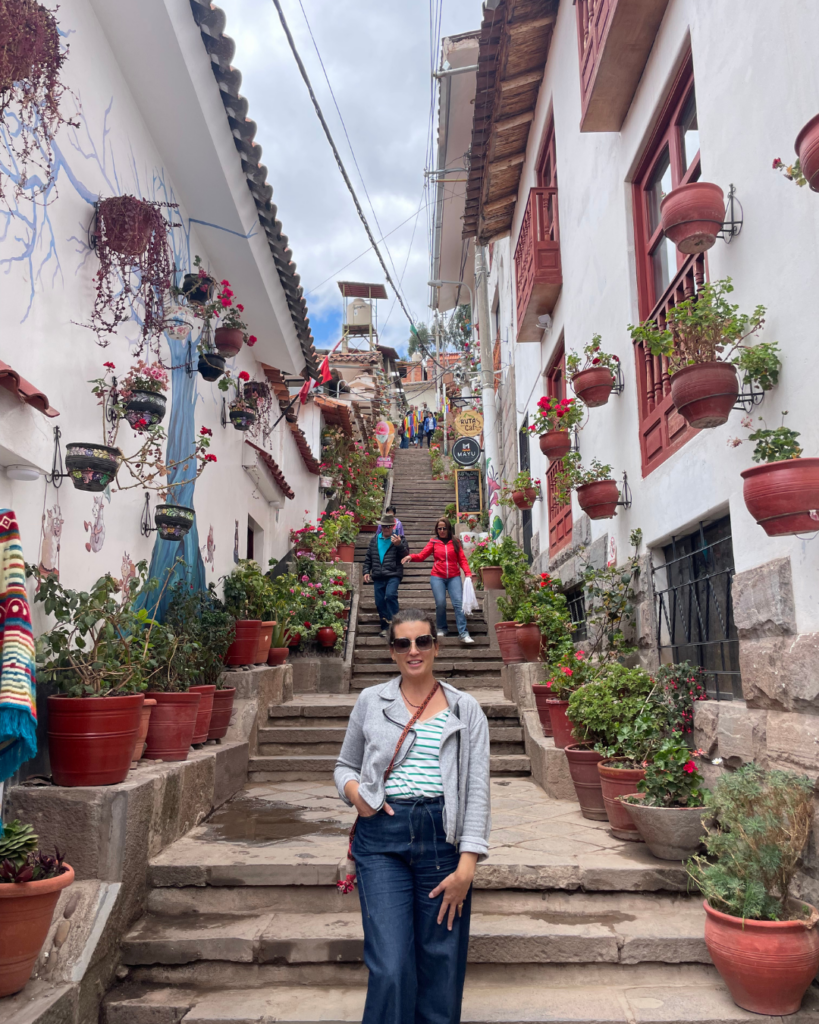
Hi, I’m Maria, co-founder of Across South America.
Over the past years, I’ve personally designed and refined tailor-made journeys across South America for travelers looking for something more than a checklist of highlights. This guide to Machu Picchu isn’t just a generic guide—it reflects how we think about travel: slower, more intentional, and deeply connected to each place.
So as you read this guide, think of it not as a fixed plan—but as a starting point to design a journey that truly fits you..
If you’re curious how a journey like this really comes together,
→ Explore our Peru journeysWhat Most Travelers Don’t Realize
How Machu Picchu circuits work today
Machu Picchu doesn’t work the way it used to.
Each ticket gives you access to a specific circuit inside the site, as outlined by
Peru’s official tourism site .
Which means:
→ You don’t see everything in one visit
→ You follow a defined route
→ Your experience is shaped by timing and flow
So when travelers visit once — quickly — they often leave without realizing: they’ve only seen part of it.
The Shift: From Visiting… to Actually Feeling It
Why pacing changes the entire experience
The difference isn’t what you see. It’s how you move through it.
Most itineraries are built around fitting everything in —
arriving, visiting, leaving.
And on paper, it works.
But when everything is compressed into just a few hours,
the experience starts to feel rushed.
You’re moving quickly.
Following a schedule.
Thinking about what comes next.
And something subtle gets lost along the way. When you give it time, something shifts.
You slow down. You begin to notice more. The place starts to feel quieter… more personal.
And instead of just passing through Machu Picchu,
you start to feel like you’re actually there.
What We Recommend (And Why)
Why we often include one night in Aguas Calientes
Instead of treating Machu Picchu as a day trip, we often design journeys with one night in Aguas Calientes. Not for convenience. But for what it allows.
What That Allows You to Do
Enter Machu Picchu twice
Two entries don’t just mean more time — they completely change how the place reveals itself.
You arrive once, taking it all in.
Then you return… and notice what you missed.
The light shifts.
The atmosphere softens.
The experience becomes quieter, more personal.
Experience different circuits and perspectives
Machu Picchu is not a single path.
Each circuit moves differently.
Opens different views.
Tells a slightly different story.
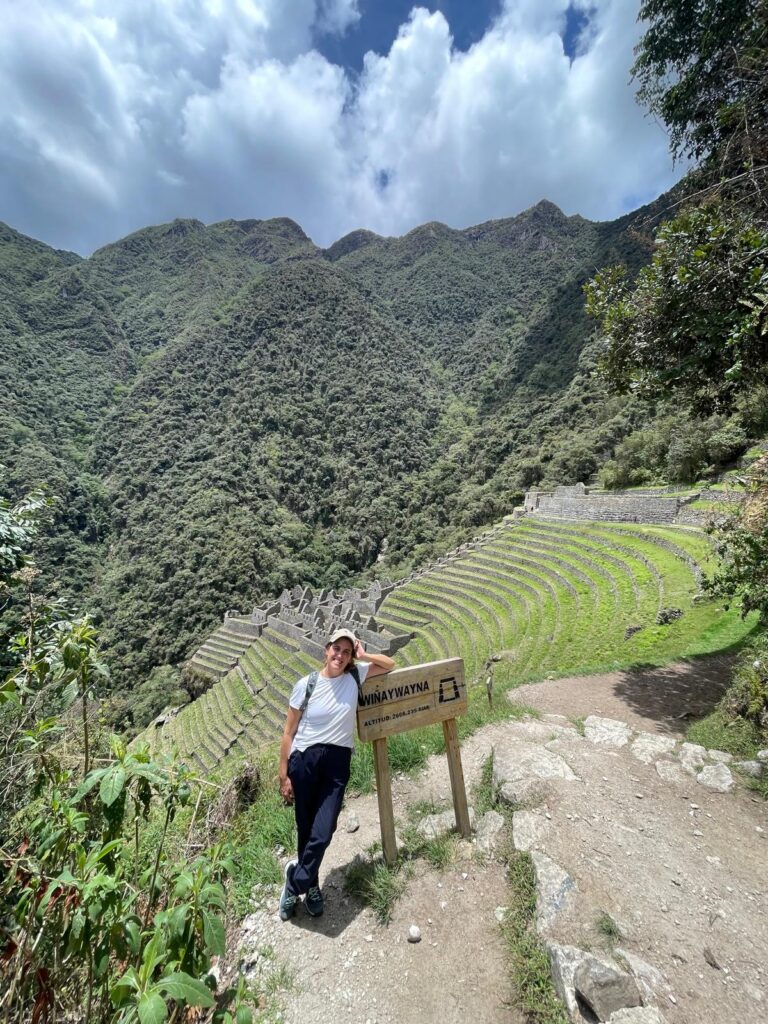
Some follow the classic upper terraces, where you get that first panoramic view of the citadel.
Others take you through the lower circuits, closer to the temples, terraces, and the details of how life once unfolded here.
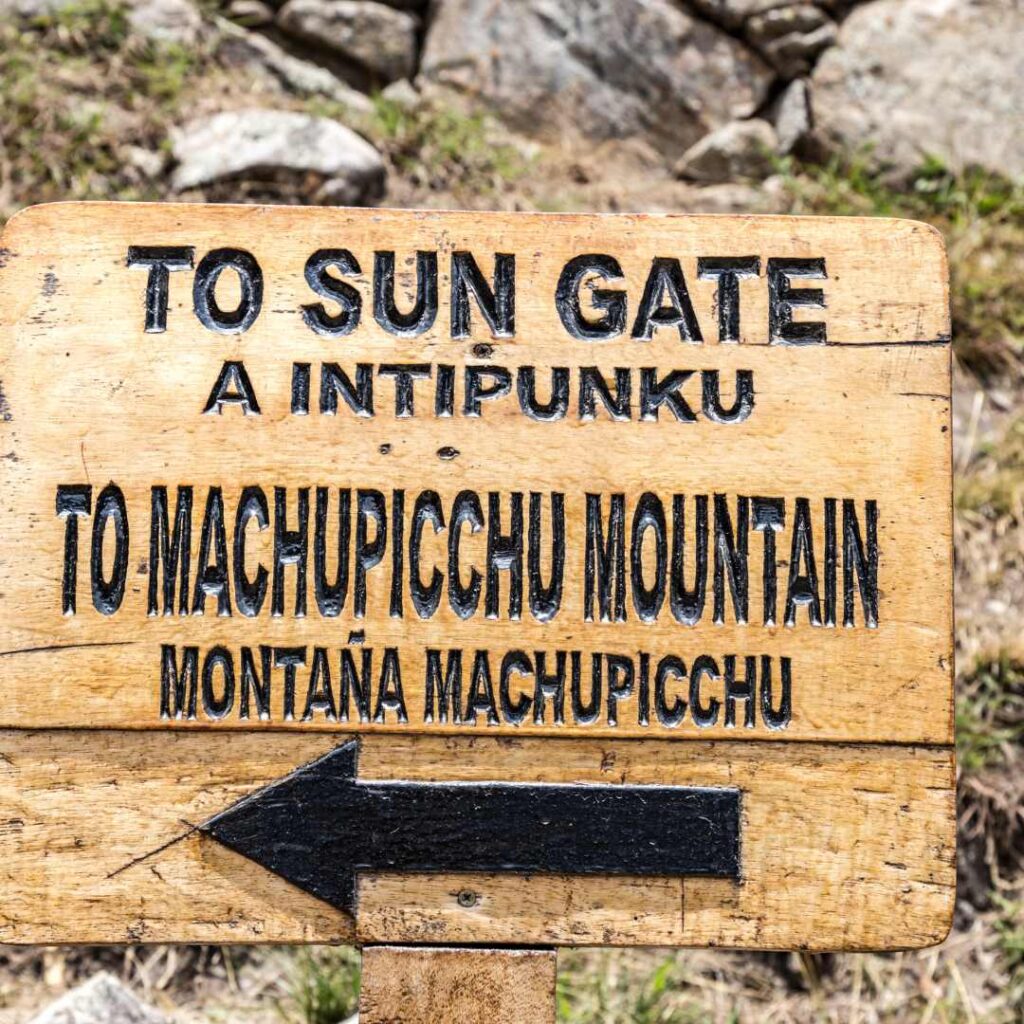
And then there are options like Huayna Picchu —
a more active climb that gives you a completely different perspective from above —
or Machu Picchu Mountain, a quieter alternative with wider views and fewer crowds.
Most travelers only see one version of the site.
But when you explore it more than once,
you begin to understand its depth — not just its beauty.
If you’d rather not figure all of this out on your own, we can help you design the right journey from the start.
Visit without feeling rushed
And maybe most importantly — you’re not chasing time.
You’re not watching the clock. Not calculating when you need to leave. Not thinking about the train back.
You can slow down.
Pause.
Sit with the place for a moment.
And that’s when Machu Picchu starts to feel less like a destination…and more like an experience you’re actually inside of.
Before you plan Machu Picchu, there are a few decisions that will shape your entire experience — when to go, how to get there, and where to stay.
This guide will help you think it through before you book anything.
Do You Need to Hike Machu Picchu?
Train vs. trek: different ways to experience Machu Picchu
It’s one of the first questions we hear.
And the short answer is: no — you don’t.
You don’t need to hike to experience Machu Picchu in a meaningful way.
In fact, most of our travelers arrive by train —
a scenic journey that follows the Urubamba River into the valley.
From there, you can explore the site at your own pace, with a private guide, without needing to take on a demanding trek.
For those who want something more active, there are options —
like a short hike within the site, or climbs such as Huayna Picchu.
But they’re just that: options. The experience isn’t defined by effort.
It’s defined by how the journey is designed around you —
the pace, the timing, and the way everything comes together
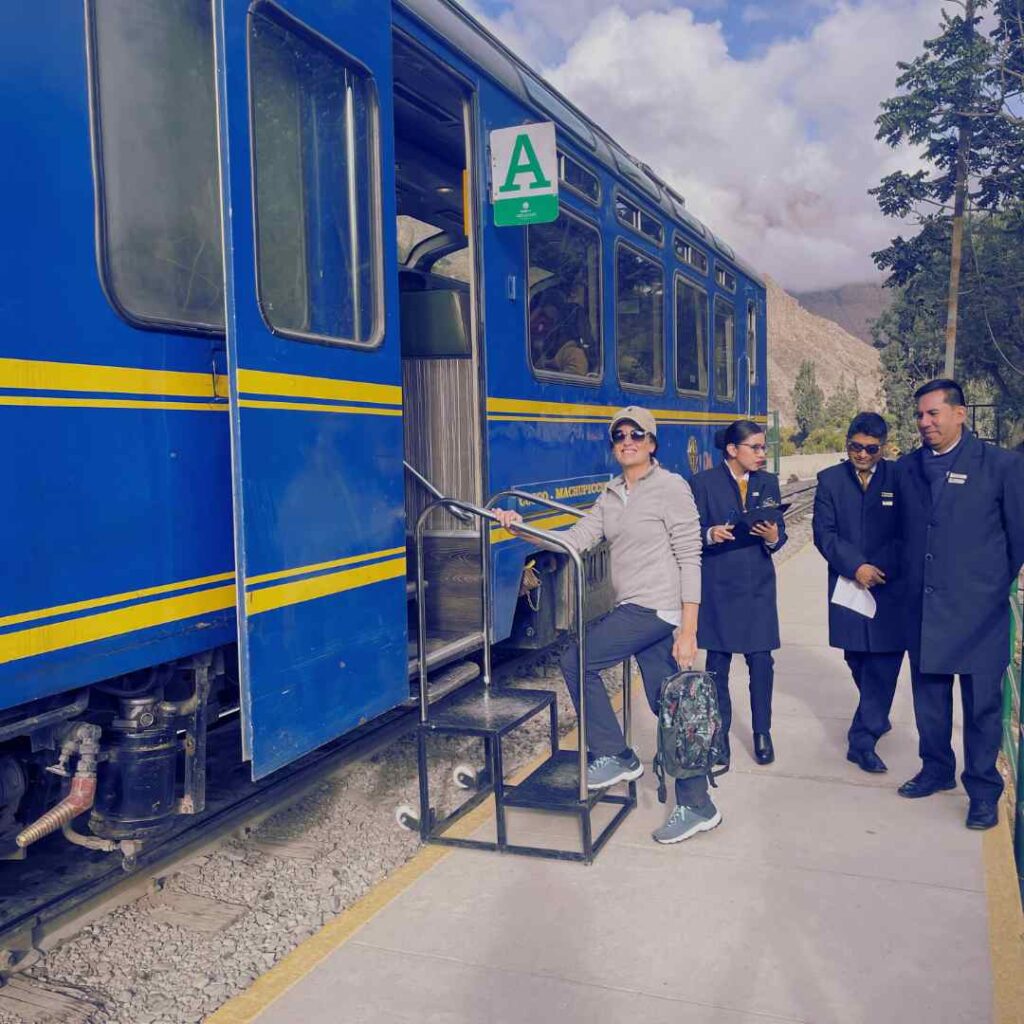
A Different Way to Arrive: The Belmond Hiram Bingham
For some travelers, the journey to Machu Picchu becomes part of the experience itself.
The Belmond Hiram Bingham train offers a slower, more immersive way to arrive — following the Urubamba River through the Sacred Valley, with time to enjoy the landscape, the rhythm of the train, and the feeling of the journey unfolding.
It’s not about reaching Machu Picchu faster.
It’s about arriving differently.
We’ve shared more about this kind of experience in our guide to Belmond journeys and stays in Peru .
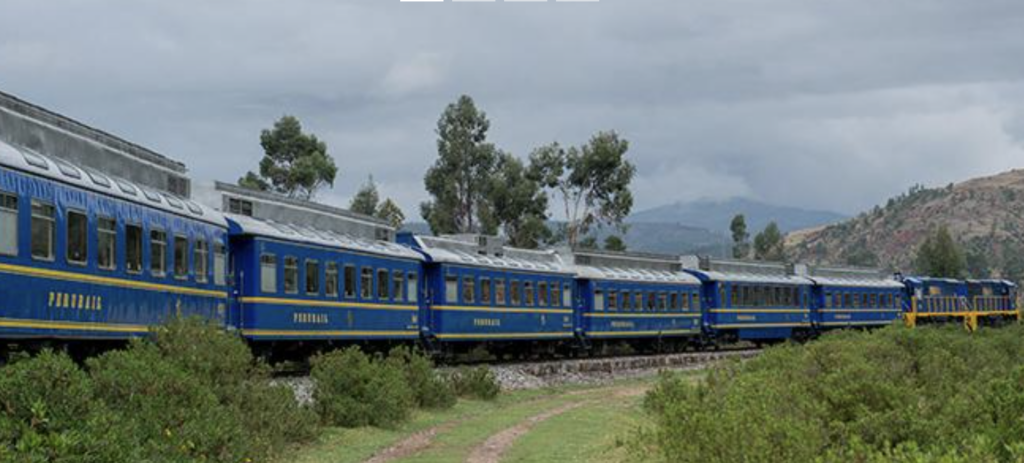
Can you visit Machu Picchu without hiking?
Yes. Most travelers reach Machu Picchu by train and explore the site on foot once inside. Hiking is optional — not a requirement.
If you’re looking for alternatives with fewer crowds or a different type of experience, you can also explore alternative routes to Machu Picchu.
One Day vs. Staying Overnight
What a one-day Machu Picchu visit looks like
For many travelers, visiting Machu Picchu in one day seems like the most efficient option.
You take the train early in the morning, arrive at the site, explore for a few hours, and return that same afternoon.
And on paper, it works. But in practice, the experience often feels compressed.
You’re moving within a fixed schedule.
Timing your visit around train departures. And trying to take it all in within a limited window.
It becomes about fitting it in — rather than experiencing it fully..
Why staying overnight changes the experience
When you stay overnight, everything shifts.
You’re no longer working against the clock.
You have more time to arrive and settle into the place.
More flexibility with your entry to Machu Picchu.
And the possibility to return the next day with a completely different perspective.
The pace softens.
The experience opens up.
And what could feel rushed in a single day becomes something much more connected and intentional.
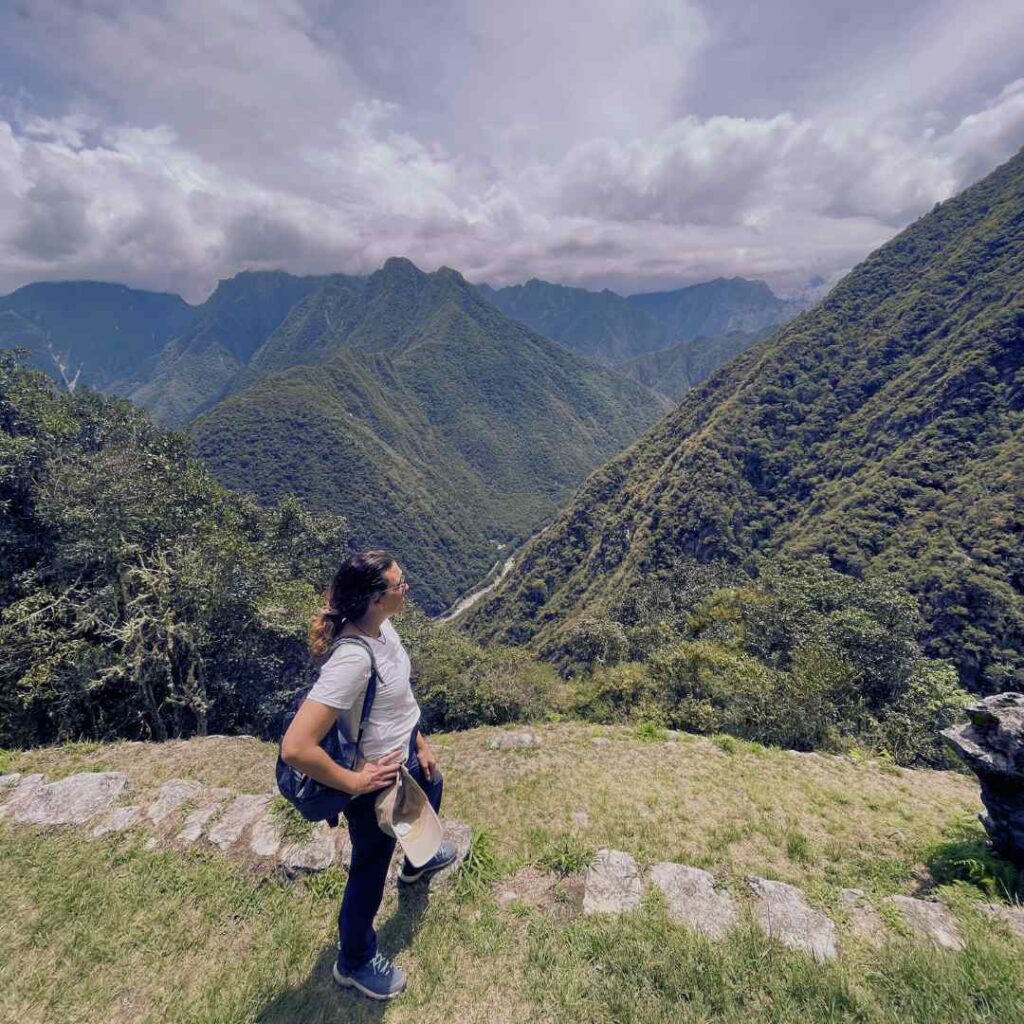
Why the Sacred Valley Changes Everything
Where you stay before Machu Picchu matters more than you think
Most itineraries begin in Cusco.
And while that works logistically, it often means starting your journey at a higher altitude, when your body is still adjusting.
Instead, we often begin in the Sacred Valley. At a lower elevation, the transition feels gentler.
You have time to acclimate naturally. And the journey unfolds at a more comfortable rhythm from the very beginning.
It’s a small change in structure.
But it has a significant impact on how the entire experience feels — not just at Machu Picchu, but throughout your time in Peru.
Where you stay—and whether you spend a night near Machu Picchu or return the same day—can significantly change the experience. If you’re deciding between options, you can explore this in more detail here →where to stay when visiting Machu Picchu
Should you stay in Cusco or the Sacred Valley before Machu Picchu?
For most travelers, staying in the Sacred Valley is the better choice. The lower altitude makes the adjustment easier, and it allows for a smoother, more gradual approach to Machu Picchu.
Explore the best places to visit in the Sacred Valley to understand which areas and experiences fit your style of travel.
A Real Example
How redesigning the itinerary changed the experience
And this is where everything starts to come together.
Because once you shift how you think about Machu Picchu — not as a one-day visit, but as part of a more intentional journey — the rest of the itinerary begins to take shape differently.
It’s no longer about fitting as much as possible into a limited number of days.
It’s about creating a rhythm that feels natural — where each place connects to the next, and where you have the time to actually experience what makes each stop meaningful.
To give you a clearer idea of how this looks in practice, here’s a simple structure we often use when designing a well-paced Peru journey that includes Machu Picchu.
How many days do you need for Machu Picchu?
At least two days in the Machu Picchu area are recommended. This allows you to arrive without rushing, spend a night nearby, and explore the site with more time and flexibility.
For a better understanding of how this fits into a broader trip, see our Peru itinerary guide.
A Simple Peru Itinerary That Works Beautifully
This isn’t about covering everything Peru has to offer.
It’s about focusing on the right places — and allowing enough time in each one for the experience to unfold naturally.
Because in the end, it’s not the number of places you visit — it’s how the journey feels when you’re there.
A 10–12 day Peru itinerary including Machu Picchu
Lima — 1 to 2 nights: You begin in Lima, easing into the journey. A walk through Barranco in the late afternoon. A long dinner that stretches into the evening. Your first introduction to Peru through its food and rhythm.
Sacred Valley — 3 nights: From Lima, you fly to Cusco — but instead of staying in the city, you continue into the Sacred Valley. The altitude is gentler here. The landscape opens up. Days are spent exploring at a slower pace — visiting local markets, walking through ancient sites, or simply enjoying the quiet of your surroundings. This is where the journey begins to settle into its rhythm.
Machu Picchu — 1 night: From the valley, you take the train toward Machu Picchu — following the river as the landscape gradually shifts. You arrive in Aguas Calientes and stay overnight. The next morning, you enter Machu Picchu without rushing — with time to explore, pause, and take it in. And if you choose, you return again for a second visit — experiencing it from a different perspective.
Cusco — 2 nights: After Machu Picchu, you continue to Cusco. By now, your body has adjusted to the altitude. </p> <p> You can explore the city more comfortably — its streets, its history, its layered architecture. </p> <p> The experience feels different than if you had started here.
The perfect extension — 2 to 4 nights: If you have more time, this is where the journey can expand. Into the Amazon, for a completely different rhythm. Or to Lake Titicaca, where the landscape shifts again. Each extension adds contrast — without disrupting the flow of the trip.
If Machu Picchu has been on your mind, the next step is seeing how a well-paced journey can actually come together.
→ Explore our Peru journeysThe Best Way to Visit Machu Picchu — Simplified
The best way to visit Machu Picchu is often simpler than it seems — but it requires approaching the experience differently.
Not as something to fit into a single day, but as a place that benefits from time, space, and thoughtful pacing.
In practice, a few decisions shape the entire experience:
Allowing at least one night nearby. Returning for a second visit when possible.
And building the journey around Machu Picchu — rather than treating it as a stop along the way.
These are small shifts in structure. But they fundamentally change how the experience unfolds
A Different Way to Think About It
Machu Picchu is often seen as the highlight of a journey through Peru. But what stays with you is rarely just the moment you arrive.
It’s everything around it.
The way you approach it.
The rhythm of the Sacred Valley.
The time to slow down and take it in.
When the journey is designed with that in mind, Machu Picchu becomes more than a place you visit. It becomes part of an experience that feels coherent, intentional, and deeply connected to the landscape around it.
Plan Your Peru Journey with Us
Machu Picchu is often the moment that brings people to Peru.
But what shapes the experience is not just reaching it — it’s how the journey is designed around it.
Where you stay before.
How you adjust to altitude.
How much time you give yourself to arrive, explore, and take it in.
These are the decisions that turn a visit into something that actually stays with you.
At Across South America, we design journeys that are built around that rhythm — your timing, your interests, and how you want to experience each place.
Whether you’re planning a shorter trip focused on Machu Picchu or a more expansive journey through Peru, we help you bring it all together in a way that feels seamless, intentional, and deeply connected to the destination.
If you’re starting to think about your trip—or simply want to explore what’s possible—you can begin here.
Machu Picchu Planning FAQ (Best Time, Duration & Tips)
How many days is enough to visit Machu Picchu?
While it’s possible to visit in one day, many travelers find that staying overnight allows for a more relaxed experience. Two entries to Machu Picchu offer different perspectives and a deeper understanding of the site.
What’s the best way to visit Machu Picchu?
The best way to visit Machu Picchu is as part of a well-paced journey rather than a rushed one-day trip. For many travelers, this means staying one night in Aguas Calientes and visiting the site twice to experience it more fully.
What is the best month to go to Machu Picchu?
The best months to visit Machu Picchu are April, May, September, and October. During these shoulder seasons, you’ll find a balance of good weather, fewer crowds, and a more enjoyable overall experience. June through August is the driest period but also the busiest, while January and February bring heavier rains. The right timing ultimately depends on how you want the journey to feel — not just the weather, but the pace and atmosphere.
Do you need to hike to visit Machu Picchu?
No. You can reach Machu Picchu comfortably by train and explore it with a guided visit. Hiking is optional and only one of several ways to experience the site
If you’re considering Machu Picchu as part of a broader South America experience, our curated travel guide is a helpful place to begin.
→ Download the South America Travel Guide
If you are ready to start planning your trip, we would love to help. You can contact us here or book your planning session with us here.
Maria
Continue Exploring Machu Picchu
If you’re starting to think more seriously about how to visit Machu Picchu, these guides will help you go deeper — from where to stay to how to design the experience around it.
→ Explore where to stay in When visiting Machu Picchu
→ When to visit Machu Picchu for a better experience
→ A well-paced 2-week trip in South America, including Machu Picchu

Planning Peru isn’t complicated — but it’s very easy to design it poorly. Altitude, pacing, transitions between regions, and where you stay can completely change how the journey feels.
We are Clara and Maria, founders of Across South America. For nearly two decades, we’ve designed private journeys across Peru for travelers who care about how the experience flows — not just what it includes.
If Peru is on your mind, a Strategy Session with us is the right place to start: we’ll map the ideal route, pacing, and experience based on how you want to travel.
Peru is easy to dream about — and easy to design wrong. A Strategy Session helps you plan the right pace, route, and experience for your trip.
Clara & Maria — founders of Across South America.
Maria Barciela
Hi, I’m Maria. I wrote this to help you plan your trip with clarity and ease.
Best Way to Visit Machu Picchu (Without Feeling Rushed)
MEET US
Blog