


Maria Barciela
Hi, I’m Maria. I wrote this to help you plan your trip with clarity and ease.
Planning a trip to Peru and feeling overwhelmed by everything you want to see?
You’re not alone.
For many travelers coming from the U.S. and Canada, Peru feels both exciting and surprisingly accessible — with direct flights to Lima from cities like Miami, Houston, New York, and Los Angeles. In less than 8 hours, you can be in a completely different world.
But once you start planning, the real challenge appears.
Between Machu Picchu, the Sacred Valley, Lima’s food scene, and the Amazon, it quickly becomes clear that Peru isn’t a place you “just visit” — it’s a country you move through.
And that’s where planning a Peru itinerary 7 days becomes more complex than it first seems.
And that leads to the question most travelers ask:
Is 7 days in Peru actually enough?
The answer is yes—but only if you approach it the right way.
Most 7-day itineraries try to cover too much, turning what should be a meaningful journey into a rushed checklist of highlights.
In this guide, I’ll show you how to design a 7-day Peru itinerary that feels intentional, well-paced, and deeply connected to the places you visit.
But I’ll also show you something just as important:
When 7 days works… and when you should really consider extending your trip to 10–14 days.
Because in Peru, it’s not just about how much you see—
it’s about how deeply you experience it
Is 7 Days Enough for Peru?
Yes—but only if you focus on one region, such as Cusco, the Sacred Valley, and Machu Picchu.
If you want to include multiple regions, like the Amazon or Lake Titicaca, a 10–14 day itinerary is strongly recommended.
If you’re starting to think about your trip—or want to explore what’s possible beyond this itinerary—our curated South America guide is a great place to begin.
How to Plan a Peru Itinerary – (7 Days Done Right)
Before we move into the itinerary itself, it helps to understand what makes a 7-day Peru trip work — and what usually makes it feel rushed.
With only one week, Peru is less about how much you can fit in, and more about how well the journey is designed. The right pacing, smart routing, and realistic expectations can turn a short trip into something immersive and memorable.
These are the same considerations we use when designing Peru journeys for our travelers — especially when time is limited, but the experience still needs to feel seamless, thoughtful, and deeply connected to the places along the way.
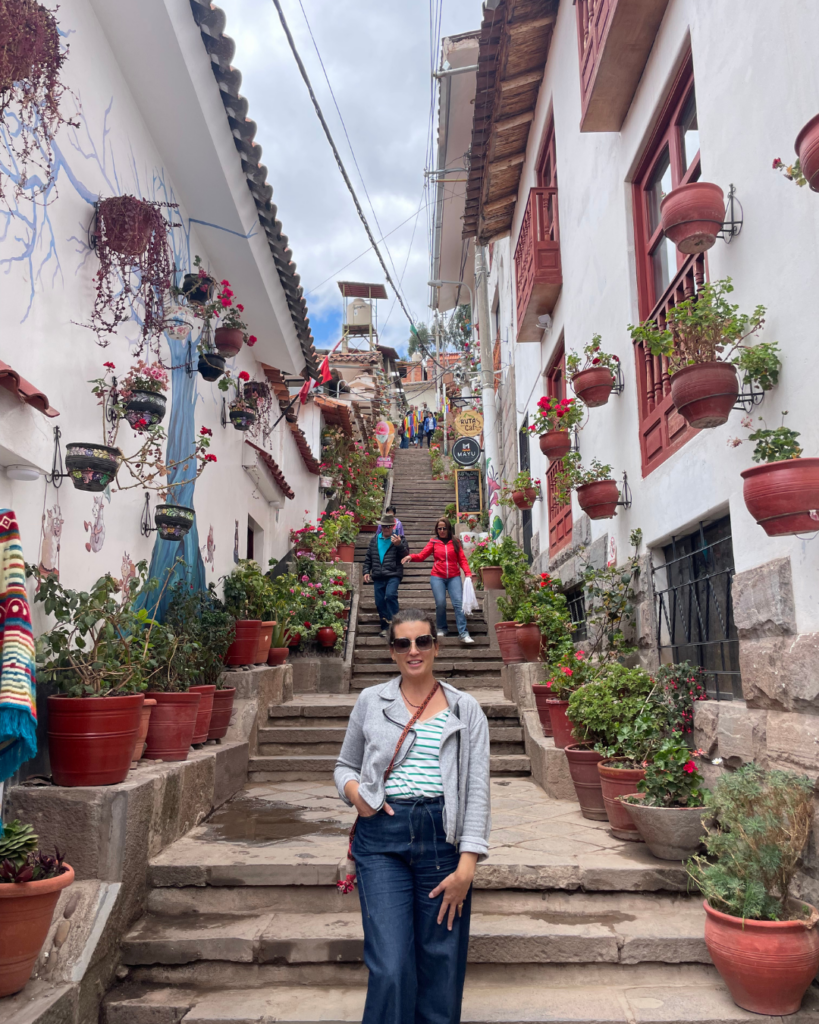
Hi, I’m Maria, co-founder of Across South America.
Over the past years, I’ve personally designed and refined tailor-made journeys across Peru for travelers looking for something more than a checklist of highlights. This itinerary isn’t just a generic route—it reflects how we think about travel: slower, more intentional, and deeply connected to each place.
So as you read this guide, think of it not as a fixed plan—but as a starting point to design a journey that truly fits you..
If you’re curious how a journey like this really comes together,
→ Explore our Peru journeysHow Many Days Do You Really Need in Peru?
If your goal is to experience Cusco, the Sacred Valley, and Machu Picchu well, 7 days can absolutely work.
In fact, many of the travelers we work with choose a one-week trip because of time constraints — whether it’s taking advantage of a holiday week, planning a family reunion, or simply fitting a meaningful journey into a busy schedule.
And when the trip is designed carefully, those 7 days can feel complete.
But there’s an important trade-off.
With more time — typically 10 to 14 days — the experience changes entirely. You can slow down, explore beyond Machu Picchu, and include places like the Amazon, Lake Titicaca, or additional regions of Peru without feeling rushed.
That’s why, whenever possible, we recommend extending the journey.
Because Peru isn’t just a destination you check off — it’s a country you experience in layers.
Time-Saving Tips for a Short Itinerary
When you only have 7 days in Peru, smart routing matters more than anything else. The most balanced version of a one-week trip usually focuses on Lima, Cusco, the Sacred Valley, and Machu Picchu, rather than trying to add too many regions.
Short domestic flights can save valuable time, especially between Lima and Cusco. Staying in well-located boutique hotels also makes a real difference, since it reduces unnecessary transfers and gives you more time to enjoy each place.
Private guides and carefully timed logistics often matter more on a shorter itinerary than on a longer one. When time is limited, every transition has to work smoothly.
Altitude, Weather & Packing Essentials
Altitude is one of the most important things to plan for in Peru. Cusco and many areas of the Sacred Valley sit well above sea level, so arriving with a lighter first day, staying hydrated, and easing into activity can make the trip far more comfortable.
Weather also changes quickly across regions. In the same itinerary, you may move from Lima’s mild coastal climate to cool Andean mornings and warmer afternoons. Packing layers is essential, and even in the dry season, a light rain layer is worth bringing.
For a smoother trip, it also helps to travel with a few practical basics: a portable charger, offline maps, a universal adapter, and a small amount of cash for places where cards are less reliable
Common Myths About Traveling to Peru
Myth: One week in Peru is too short to be meaningful.
Reality: Seven days can work very well — but only if you focus on one region and avoid trying to do everything at once.
Myth: Machu Picchu is just a quick stop on a bigger Peru trip.
Reality: How you arrive there — and how much time you spend in the Sacred Valley beforehand — often shapes the entire experience.
Myth: Altitude affects everyone badly.
Reality: Most travelers do well when the trip is paced properly, with enough time to acclimatize and avoid overexertion on arrival
Smart Planning Tips That Make a Big Difference
Book Machu Picchu entrance tickets and train schedules well in advance, especially in peak travel periods. These are not details to leave for the last minute.
The Entry to Machu Picchu is strictly regulated, with limited daily tickets that often sell out in advance. You can check availability and official information directly through the official Machu Picchu website .
Try not to make your arrival day in Cusco too ambitious. A slower first day often improves the entire rest of the itinerary.
In a shorter Peru trip, balance matters. A well-designed journey includes space for movement, but also time to settle into places, enjoy long meals, and experience the country without feeling constantly in trans.
Mistakes to Avoid on a 7-Day Peru Trip
The biggest mistake is trying to see too much. Adding too many destinations usually means spending more time in airports, cars, and train stations than actually experiencing Peru.
Another common mistake is treating Machu Picchu as the only highlight. In reality, the Sacred Valley, local food, boutique stays, and the rhythm between destinations often become just as memorable.
It is also easy to underestimate the effect of altitude, overpack each day, or leave key reservations too late. In a 7-day itinerary, small planning mistakes have a much bigger impact because there is less room to recover time.
If you’d rather not figure all of this out on your own, we can help you design the right journey from the start.
Peru Itinerary 7 Days: The Best Route for a Well-Paced
Designing a Peru itinerary 7 days is not about fitting in as much as possible—it’s about choosing the right sequence.
The route below follows a natural flow: starting at sea level in Lima, moving gradually into the Andes through the Sacred Valley, and only then reaching Machu Picchu. This progression allows for better altitude adjustment, smoother transitions, and a more enjoyable pace overall.
Rather than rushing from one highlight to the next, this itinerary is structured to create balance—between movement and rest, iconic sites and quieter moments, guided experiences and time to simply take it all in.
It’s a short journey, but when designed well, it doesn’t feel rushed.
Below, you’ll find how that unfolds—first through the key highlights, and then in a detailed day-by-day structure
Highlights of Your Peru Itinerary in 7 days
This 7-day Peru itinerary is designed to give you a clear, well-paced introduction to the country—without trying to do too much.
For many travelers coming from the U.S., this kind of one-week journey is often the most realistic way to experience Peru for the first time. And when it’s thoughtfully designed, it can feel complete rather than rushed.
Peru offers an incredible mix of landscapes, culture, and experiences—from world-renowned cuisine in Lima to the ancient Inca sites of the Andes—many of which are widely recognized at a national level and featured by Peru’s official tourism board .
This journey typically begins in Lima, where Peru’s culinary scene and coastal setting offer a soft landing before heading into the Andes. From there, the experience shifts to the Sacred Valley—one of the most important regions to understand the rhythm, culture, and landscapes of Peru before visiting Machu Picchu.
Rather than going straight to the citadel, spending time in the Sacred Valley allows for a more gradual transition in altitude and a deeper connection to the region. From here, you’ll take the train to Machu Picchu—often one of the most memorable moments of the trip—not just for the destination itself, but for how the journey unfolds.
Cusco becomes the final layer of the experience. More than just a gateway city, it’s a place where history, architecture, and daily life come together in a way that feels both vibrant and grounded. Taking the time to explore it properly changes how the entire trip feels.
What makes this itinerary work is not just the places you visit, but how they connect:
a balance between movement and stillness, iconic sites and quieter moments, structured experiences and time to simply take it in.
It’s a short journey—but when designed well, it offers a surprisingly deep sense of Peru.
Below, you’ll find a suggested day-by-day itinerary based on how we typically structure these trips for our travelers—designed as a starting point that can be adapted to your pace, interests, and travel style
Your Day-by-Day Peru Itinerary in 7 days
This is how a well-paced 7-day Peru journey typically unfolds when it’s designed with intention.
Rather than trying to fit everything in, the focus is on creating a natural flow—moving gradually through altitude, landscapes, and experiences.
Day 1: Arrival in Lima
Your journey begins in Lima, Peru’s coastal capital.
Most international flights from the U.S. arrive in the evening, making this a soft landing day. After your arrival, you’ll transfer to your hotel in a neighborhood like Miraflores or Barranco—areas known for their ocean views, walkability, and access to some of the city’s best restaurants.
Depending on your arrival time, this evening is about settling in, adjusting, and easing into the journey.
Day 2: Lima’s Culinary & Cultural Side
Lima is often overlooked—but it shouldn’t be.
This day is typically designed around a mix of culture and food. You might explore the historic center, visit local markets, or experience a curated food tour that introduces you to Peru’s culinary identity.
It’s a slower day by design—giving you time to adjust before heading into higher altitude regions.
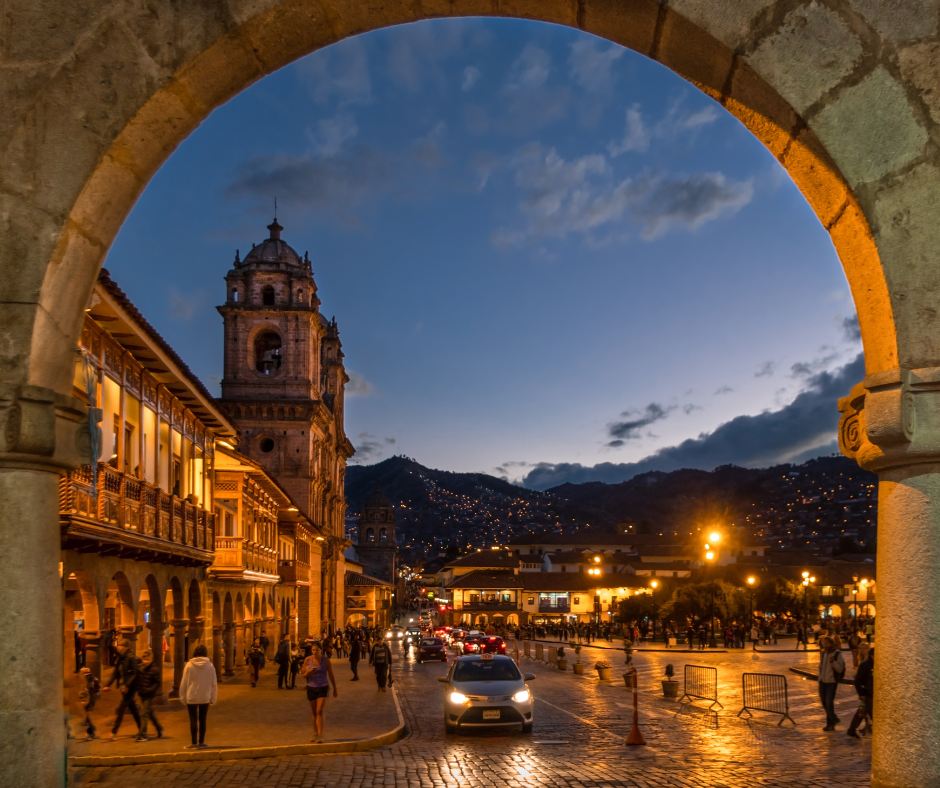
Day 3: Lima to Sacred Valley
You’ll fly from Lima to Cusco, where instead of staying in the city, you’ll continue directly to the Sacred Valley. This is a key decision that makes a big difference in how you experience Peru.
The lower altitude of the valley allows your body to acclimate more comfortably, while also placing you closer to some of the region’s most important sites.
The afternoon is usually kept light—giving you time to settle into your surroundings.
At this point, most travelers realize that the difference between a good trip and a seamless one comes down to how it’s designed.
→ Explore our Peru journeysDay 4: Exploring the Sacred Valley
This is where the experience begins to deepen.
The Sacred Valley offers a mix of landscapes, culture, and history—often explored through a private guide who can adapt the day based on your interests.
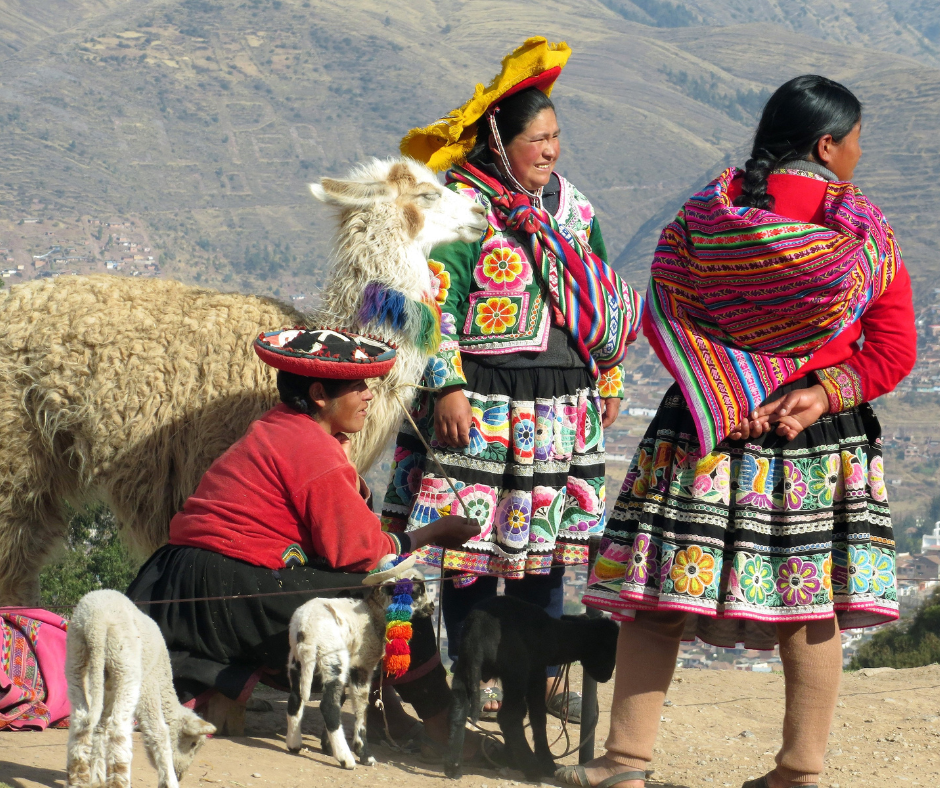
You might visit local communities, traditional markets, or lesser-known archaeological sites. This is also where many travelers begin to feel the rhythm of Peru—slower, more grounded, and more connected.
Day 5: The Legendary Machu Picchu
This is one of those days that stays with you.
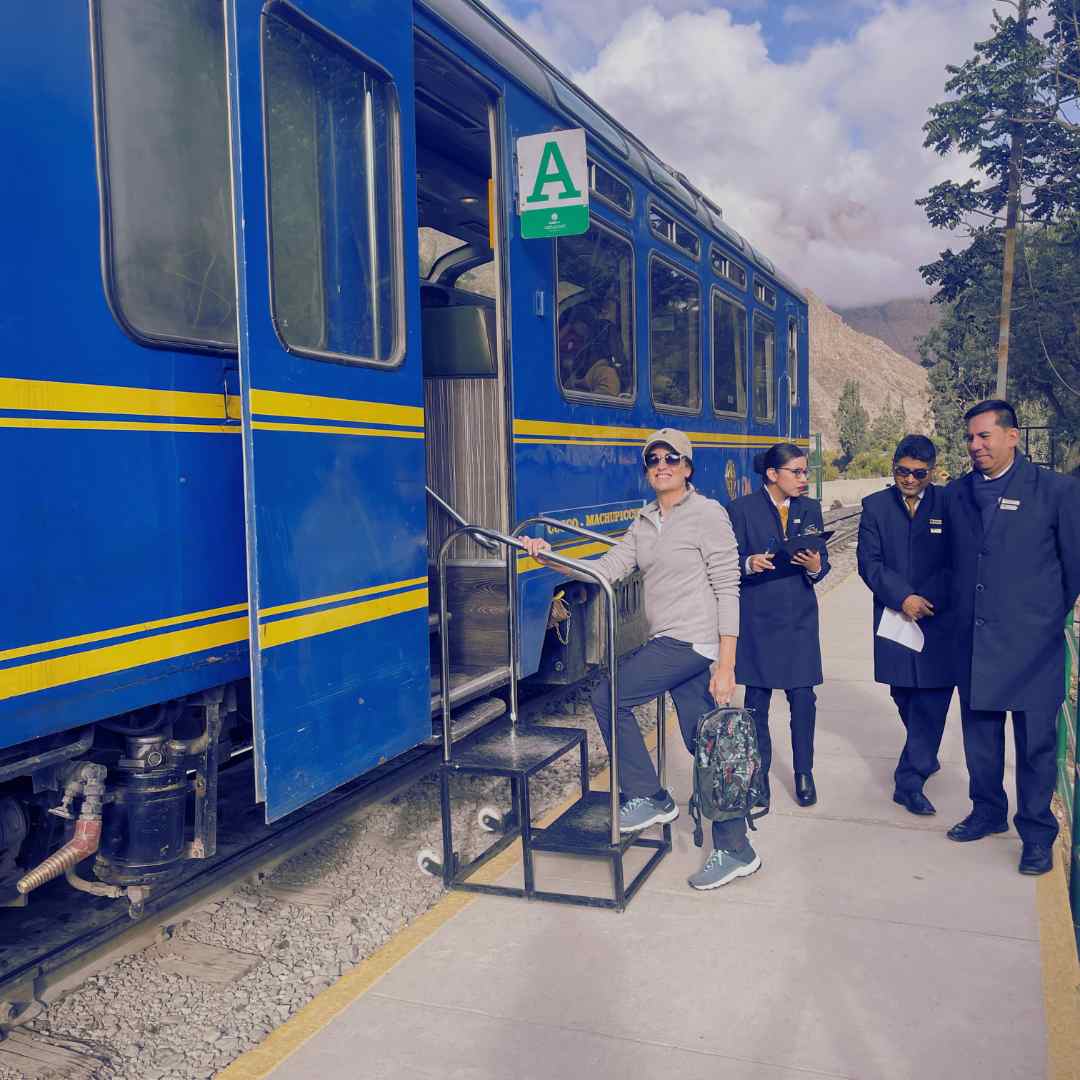
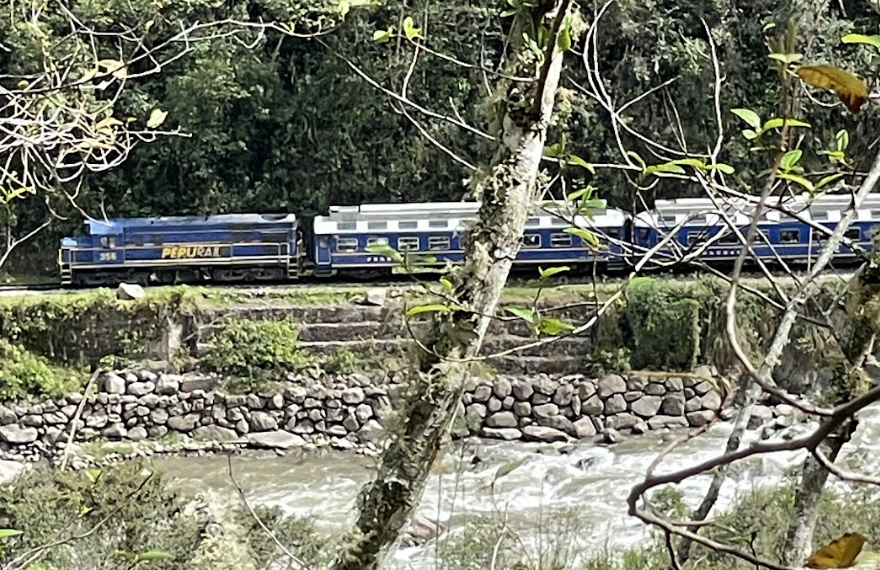
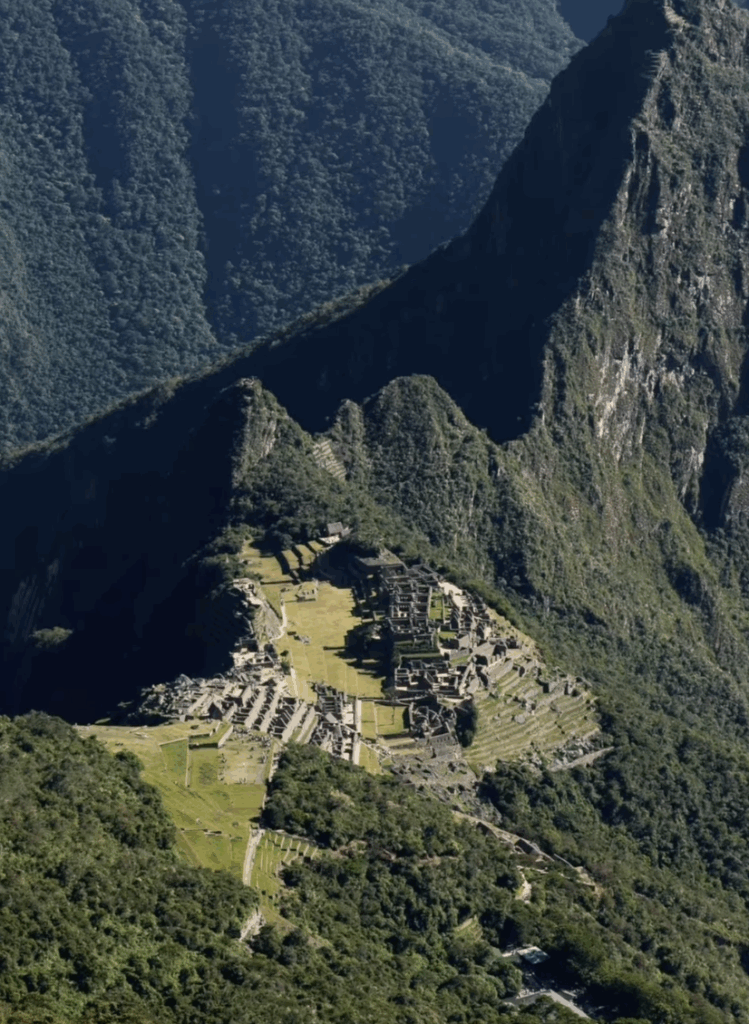
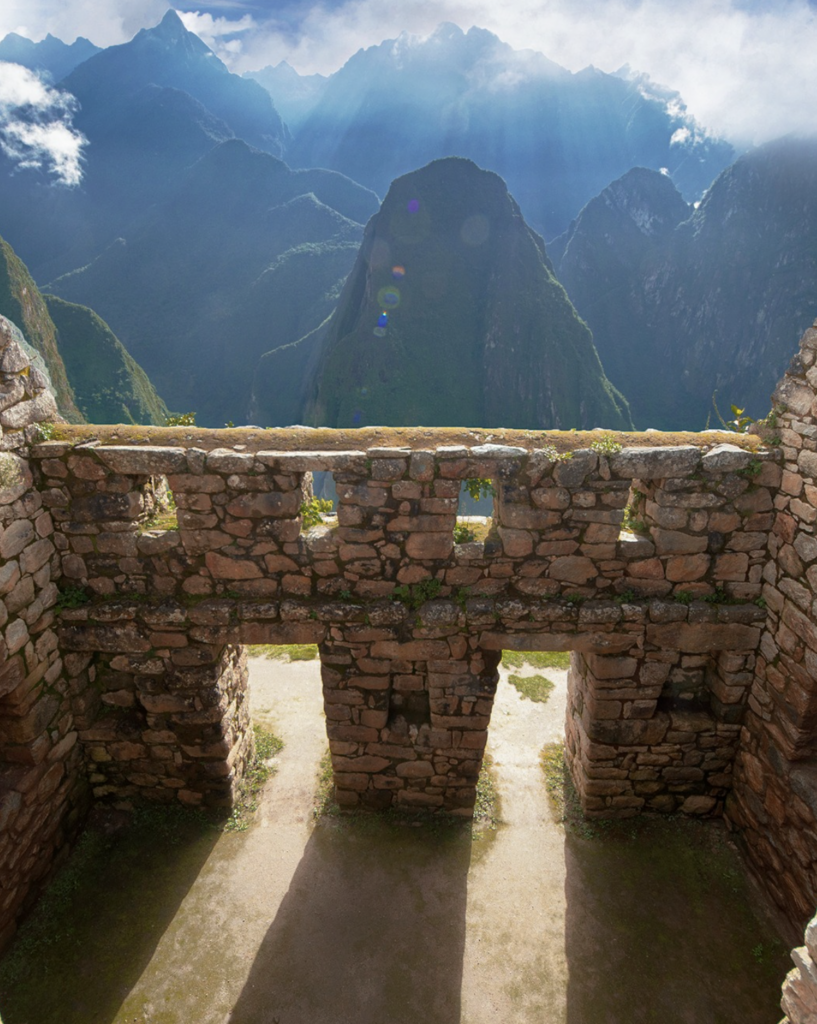
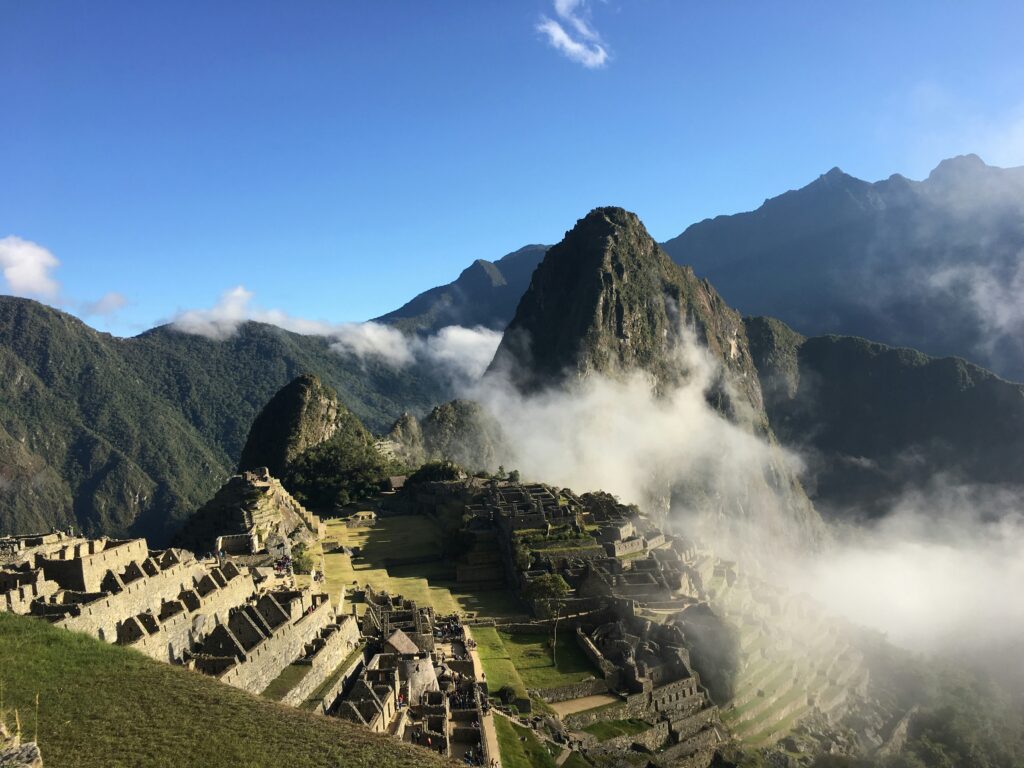
You’ll take the train from the Sacred Valley to Machu Picchu, a journey that is part of the experience itself. Upon arrival, you’ll explore the citadel with a guide—understanding not just what you’re seeing, but the context behind it.
Timing here matters. A well-planned visit avoids peak crowds and allows for a more meaningful experience of the site.
Afterward, you’ll return to your hotel in the Sacred Valley or Aguas Calientes, depending on how the journey is structured.
Day 6: Cusco – Walking Tour With Vibrant Local Market
Today, you move to Cusco.
After your time in the Sacred Valley, Cusco feels different—richer in context and easier to navigate. The day is usually designed with a balance between exploration and flexibility.
You might walk through the historic center, visit nearby sites, or simply enjoy the city at your own pace.
Cusco is not just a stop—it’s part of the experience.
Day 7 — Departure
After breakfast, you’ll transfer to the airport for your return journey.
Depending on your flight schedule, there may be time for a final walk through Cusco before heading back to Lima and connecting to your international flight.
Even in just 7 days, this journey offers a meaningful introduction to Peru.
But as you’ve probably noticed, there’s always more to explore.
For many travelers, this first trip becomes the beginning of a deeper connection with the country—one that often leads to returning with more time.
Can You Extend a Peru Itinerary 7 Days? When More Time Changes Everything
If you have more time, extending your Peru itinerary can completely change the experience.
While 7 days allows you to explore the Andes and Machu Picchu in a meaningful way, adding a few extra days opens the door to a very different rhythm—one that feels less structured, more immersive, and far more expansive.
One of the most seamless and rewarding ways to do this is by combining Peru with the Galápagos Islands.
Adding the Galápagos Islands to Your Journey
After exploring Peru, you can connect easily through Lima to Ecuador, where the Galápagos Islands offer a completely different kind of experience—one centered on nature, wildlife, and quiet immersion.
What makes this extension so compelling is the contrast.
In Peru, your journey is shaped by culture, history, altitude, and movement through landscapes.
In the Galápagos, everything slows down.
Days unfold on the water, between islands, or along remote coastlines where wildlife moves freely and human presence feels minimal.
It’s less about “seeing more” and more about experiencing something entirely different.
What Makes the Galápagos Extension So Special
The Galápagos Islands are not a typical beach destination.
They offer one of the most unique wildlife experiences in the world—where encounters feel natural, unforced, and incredibly close.
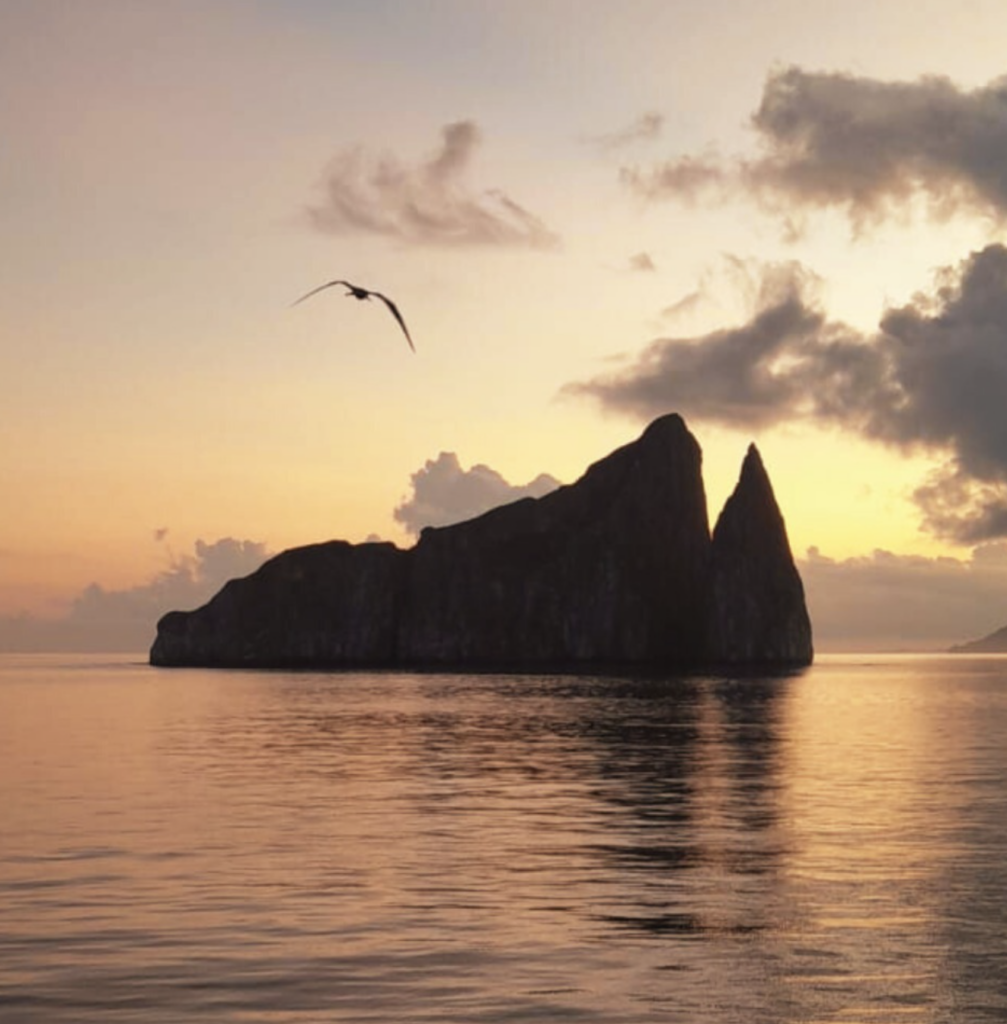
You might snorkel alongside sea lions, walk near giant tortoises, or observe bird species that exist nowhere else on Earth. The landscapes themselves—volcanic, raw, and remote—add to the sense of being somewhere truly distinct.
Whether you choose a small expedition yacht or a carefully selected land-based lodge, the experience is quiet, immersive, and deeply memorable.
How This Extension Fits Into Your Itinerary
A typical extension adds 4 to 5 days to your journey.
After completing your Peru itinerary, you would fly from Lima to Ecuador, and then continue to the islands.
This allows your trip to evolve naturally—from the cultural depth of Peru to the stillness and natural beauty of the Galápagos.
After days spent exploring ancient sites, moving through valleys, and experiencing Peru’s cultural richness, the Galápagos offers a completely different kind of conclusion.
Less movement. Less structure. More space.
It’s often the part of the journey where everything settles—and where the experience lingers in a quieter, more personal way before returning home.
If this itinerary resonates with you—but you’d love to extend the experience a little further—
we’ve designed a seamless journey that combines Peru with the Galápagos Islands in one beautifully paced trip.
→ Explore this 10-day Peru + Galápagos journey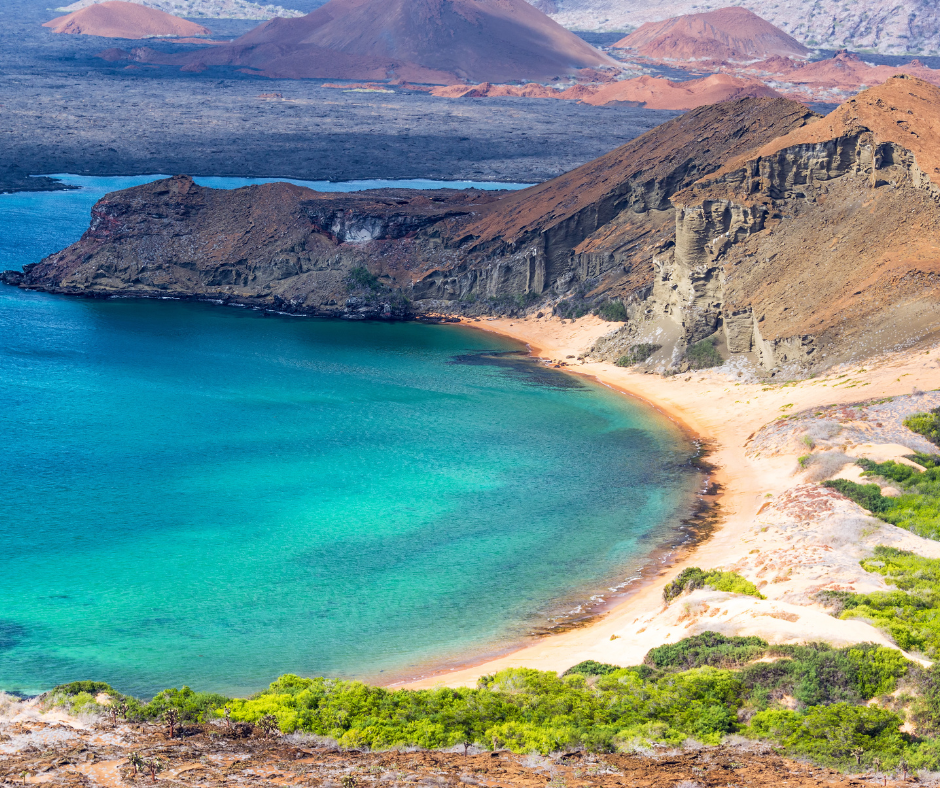

Key Destinations to Include in a Peru Itinerary
Before moving through the itinerary, it helps to understand what each destination in Peru offers—and how they connect.
This is what shapes the rhythm of the journey.
Lima — Where the Journey Begins
Lima is often seen as a gateway—but it’s much more than that.
For travelers coming from the U.S., it offers a smooth arrival point, with a mix of coastal views, world-class cuisine, and neighborhoods like Miraflores and Barranco that are easy to explore. Even a short stay here sets the tone for the rest of the trip.
Why It Matters
Lima is the perfect blend of old-world charm and modern creativity, and it’s where your journey into Peru usually begins.
Most Important Things to Know
- Miraflores and Barranco are safe, stylish, and full of character.
- Lima is a gastronomic capital—don’t skip the ceviche or pisco sour!
- The Historic Center showcases stunning colonial architecture.
- Sun protection and hydration are key even by the coast.
- Learn a few Spanish phrases and carry Peruvian soles for small vendors.
Common Myths—Debunked
- Lima is just a layover city.
➤ Truth: It’s a vibrant destination all its own. - It’s unsafe for tourists.
➤ Truth: Tourist-friendly areas are welcoming with basic precautions. - Peruvian food all tastes the same.
➤ Truth: The regional diversity is incredible.
Cusco — History, Altitude, and Atmosphere
Cusco is one of the most unique cities in South America.
At over 3,400 meters above sea level, it requires a slower pace—but rewards you with a mix of Inca history, colonial architecture, and everyday life that feels deeply rooted in the past.
It’s not just a stop—it’s part of the experience.
Why It Matters
Cusco, once the capital of the Inca Empire, is a vibrant city that perfectly blends indigenous heritage with colonial architecture. It’s renowned for its cobbled streets, colorful festivals, and serves as the launching point for exploring the Sacred Valley and Machu Picchu.
Most Important Things to Know
- Altitude is real: 3,400m—take it easy at first.
- San Pedro Market is great for local goods and food.
- Explore nearby ruins like Sacsayhuamán and Qorikancha.
Common Myths—Debunked
- Cusco is too touristy to feel authentic.
➤ Truth: There’s deep culture everywhere if you step beyond the main streets. - All food here is heavy.
➤ Truth: Many light, fresh options are available.
The Sacred Valley — Where the Journey Slows Down
Sacred Valley Adventures
The Sacred Valley offers a completely different rhythm.
Lower in altitude and surrounded by mountains, it’s where many travelers begin to truly settle into the journey. Markets, small villages, and archaeological sites create a deeper connection to the region.
Spending time here is often what makes Machu Picchu feel more meaningful.
Why It Matters
The Sacred Valley of the Incas, winding through the Andes near Cusco, is the ideal place to witness spectacular landscapes, traditional villages, and ancient ruins outside crowded city centers. It offers a slower pace and genuine connection to Peruvian culture and history.
Most Important Things to Know
- Pisaq and Ollantaytambo are must-visits.
- Stay overnight for sunrise views and fewer crowds.
- Adventure lovers can enjoy rafting, hiking, and biking.
Common Myths—Debunked
- It’s overcrowded.
➤ Truth: You can avoid crowds with smart timing and lesser-known spots.
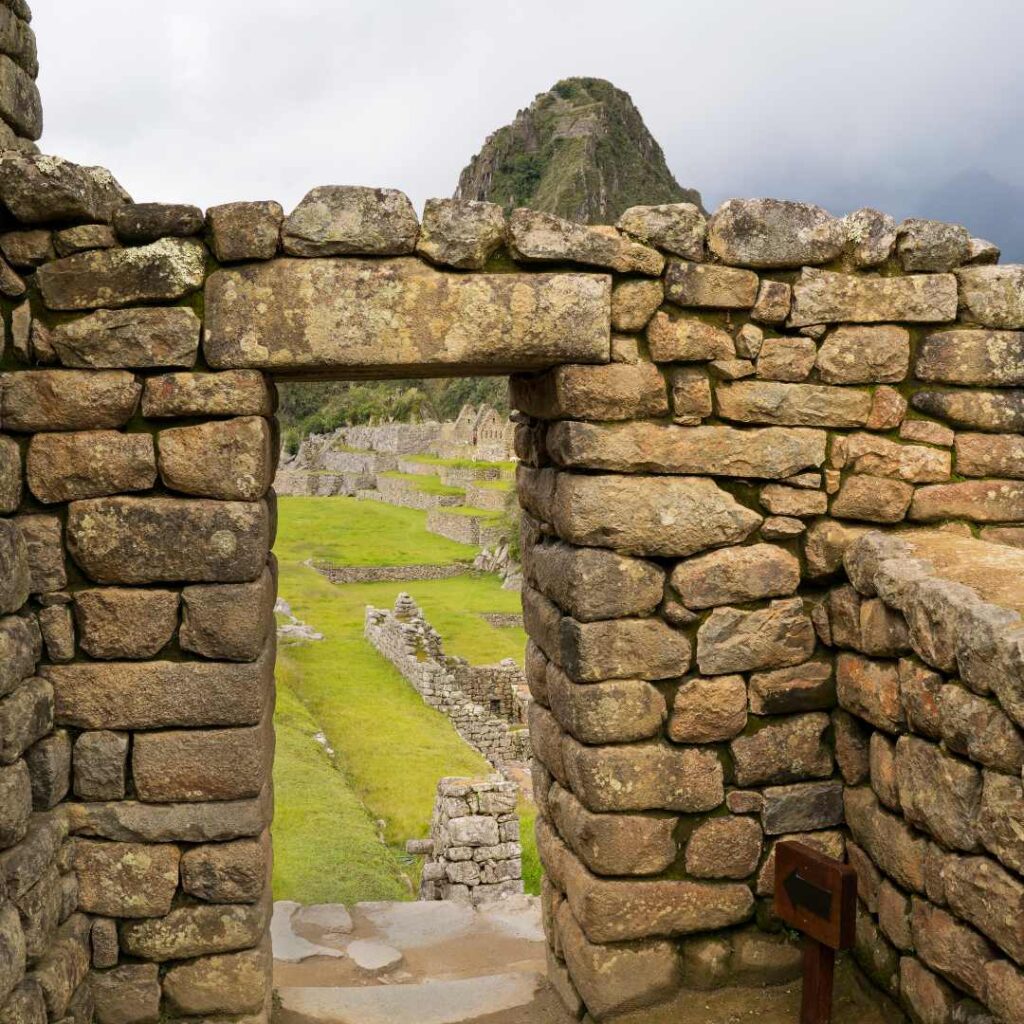
Machu Picchu — More Than a Destination
Machu Picchu is the highlight—but not just because of the site itself.
What shapes the experience is how you get there, when you visit, and how much context you have before arriving.
A well-planned visit transforms it from a quick stop into something far more memorable.
Why It Matters
Machu Picchu, perched high in the Andes, is arguably Peru’s crown jewel and one of the world’s most breathtaking archaeological sites. It embodies a perfect mix of historical significance, architectural genius, and wild mountain landscapes.
Most Important Things to Know
- Tickets are limited—book well in advance.
- Consider optional hikes (Sun Gate, Huayna Picchu).
- Arrive early for softer light and fewer people.
- Respect the rules—preserve the site.
Common Myths—Debunked
- You have to hike the Inca Trail.
➤ Truth: Train and bus access is comfortable and common. - It’s all the same in an hour.
➤ Truth: A full visit takes several hours.
Where to Stay on a 7-Day Peru Itinerary: Choosing the Right Experience
Where you stay in Peru shapes your entire experience—often more than the itinerary itself.
In a shorter journey, hotels are not just about comfort. They influence how you adjust to altitude, how much time you spend in transit, and how each destination feels once you arrive.
Rather than thinking in terms of “best hotels,” it’s more useful to think about how each stay supports the rhythm of your trip.
Lima — Boutique Hotels by the Ocean
In Lima, location defines the experience.
Staying in neighborhoods like Miraflores or Barranco allows you to walk to restaurants, enjoy coastal views, and ease into the journey after a long flight from the U.S.
Hotels here tend to be contemporary and well-connected to the city’s food scene—making them an ideal starting point before heading into the Andes.
Sacred Valley — Space, Landscape, and a Different Pace
The Sacred Valley is where accommodation begins to shape the journey in a more meaningful way.
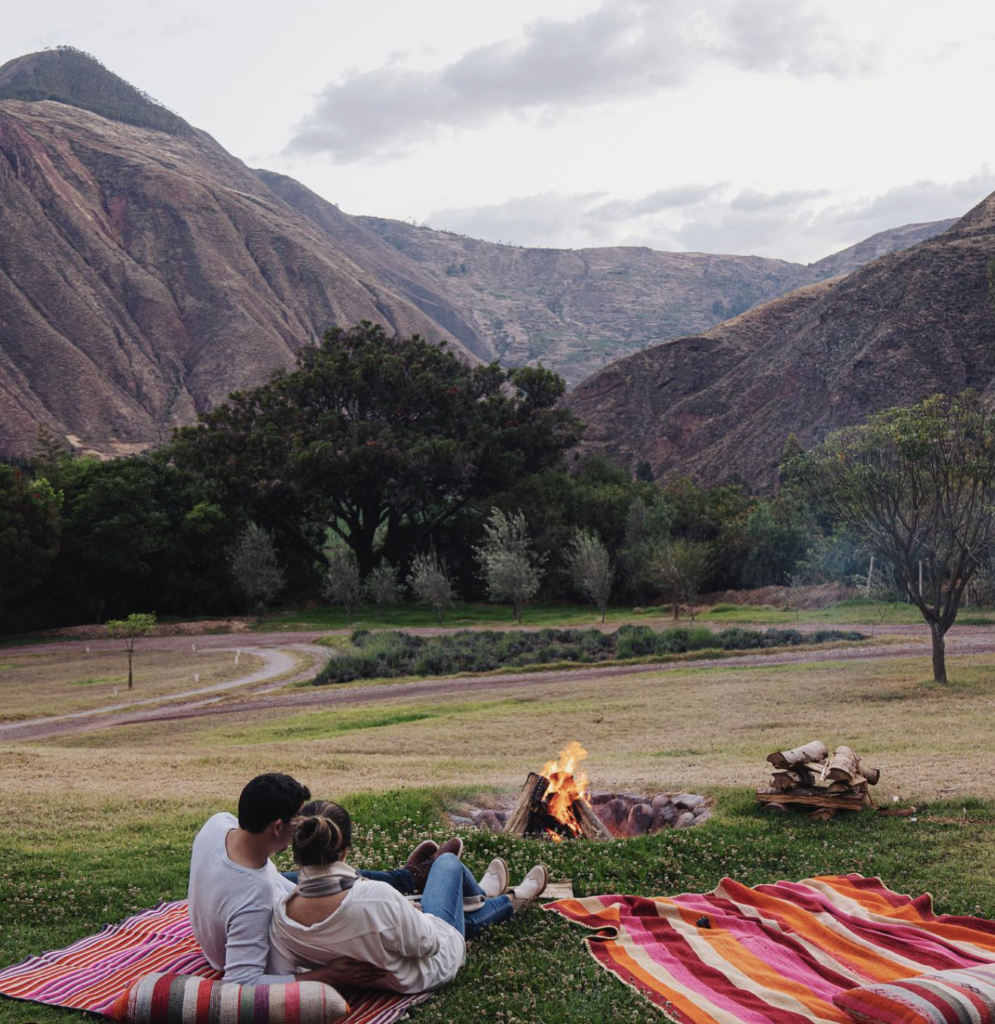
Here, properties are often set within open landscapes—surrounded by mountains, gardens, and quiet villages. This creates a natural shift in pace, allowing you to settle into the experience rather than moving quickly from one site to the next.
Some of the most distinctive stays in Peru are found here, where architecture, setting, and service are designed to connect you more deeply with the surroundings. For travelers looking for a more elevated experience, this is often where the trip begins to feel truly memorable.
Cusco — Character and Walkability
Cusco is best experienced from within its historic center.
Boutique hotels—often set in restored colonial buildings—offer a sense of place while keeping you close to the city’s main streets, restaurants, and cultural sites.
At this stage of the journey, being able to walk through the city and explore at your own pace often matters more than space or scale.
If you’re comparing different areas and hotel styles in Cusco, you can find a more detailed breakdown here → Best places to stay in Cusco
The Journey to Machu Picchu
The experience of Machu Picchu begins long before you arrive.
The train journey through the Sacred Valley is part of that experience, and the way it’s designed can shape how the day feels overall.
While there are several train options, some journeys are intentionally slower and more curated—offering panoramic views, onboard dining, and a more refined atmosphere along the way.
For travelers looking to elevate this part of the trip, experiences like the Hiram Bingham transform the journey into something far more memorable than simple transportation.
Where you stay—and whether you spend a night near Machu Picchu or return the same day—can significantly change the experience. If you’re deciding between options, you can explore this in more detail here →where to stay when visiting Machu Picchu
A More Elevated Way to Experience Peru
For some travelers, where they stay—and how they move between destinations—becomes an essential part of the journey.
Certain properties and experiences across Peru are designed to feel seamless when combined: from carefully located hotels in Lima, to landscape-driven stays in the Sacred Valley, to curated train journeys to Machu Picchu.
When these elements are thoughtfully connected, the trip takes on a different quality—less like a series of stops, and more like a continuous, well-designed experience.
If you’re curious to explore some of the most iconic properties and journeys in Peru, you can read more about them here → Some of the most iconic stays and journeys in Peru.
Peru Itinerary Planning FAQ (Best Time, Duration & Tips)
What is the best month to travel to Peru?
The most popular time to visit Peru is between May and September, when the weather is dry and skies are clear—especially in the Andes and around Machu Picchu.
June and July tend to offer the best conditions, but they are also the busiest months. Shoulder seasons like April, May, September, and October often provide a better balance between good weather and fewer crowds.
Is 10 days enough to experience Peru?
Yes—10 days is often the ideal length for a well-paced journey.
It allows you to experience Lima, Cusco, the Sacred Valley, and Machu Picchu without rushing, while still having time to enjoy the pace of each place.
Shorter trips (like 7 days) can work when carefully designed, but with more time, the experience becomes noticeably more relaxed and immersive.
What makes Peru a unique destination to experience well?
Peru stands out for the way different elements come together—culture, history, landscapes, and food—all within a relatively compact geography.
What makes the experience truly memorable is not just what you see, but how you move through the country: how the journey is paced, where you stay, and how each place connects to the next.
What are the key places to include in a first trip to Peru?
For a first visit, most journeys focus on Lima, Cusco, the Sacred Valley, and Machu Picchu.
This combination offers a balance between culture, history, and landscape, while also allowing for a natural flow in altitude and pacing.
With more time, destinations like the Amazon or Lake Titicaca can be added to create a more layered experience.
Continue Exploring Peru
If you’re starting to imagine how your trip could come together, these guides can help you go a bit deeper into specific parts of the journey.
→ Explore where to stay in the Sacred Valley
→ How to combine Machu Picchu and the Amazon
→ Alternative Inca trails without the crowds
Plan Your Peru Journey with Us
Peru is one of those rare places where every layer of the journey feels different—coastal cities, high-altitude valleys, ancient civilizations, and landscapes that stay with you long after you return home.
And even in just 7 days, when the trip is designed with intention, it can feel complete.
But what truly shapes the experience is not just where you go—it’s how the journey is put together. The pace, the transitions, the places you stay, and the moments in between.
That’s where thoughtful planning makes all the difference.
At Across South America, we design journeys that are tailored around you—your timing, your interests, and how you want to experience each place.
Whether you’re working with a shorter timeframe or considering a longer, more immersive trip, we’ll help you create a journey that feels seamless, personal, and deeply connected to the destination.
If you’re starting to think about your trip—or simply want to explore what’s possible—you can begin here.
If you’re considering Peru as part of a broader South America experience, our curated travel guide is a helpful place to begin.
→ Download the South America Travel Guide
Let’s make your once-in-a-lifetime South American adventure truly unforgettable!
Maria

Planning Peru isn’t complicated — but it’s very easy to design it poorly. Altitude, pacing, transitions between regions, and where you stay can completely change how the journey feels.
We are Clara and Maria, founders of Across South America. For nearly two decades, we’ve designed private journeys across Peru for travelers who care about how the experience flows — not just what it includes.
If Peru is on your mind, a Strategy Session with us is the right place to start: we’ll map the ideal route, pacing, and experience based on how you want to travel.
Peru is easy to dream about — and easy to design wrong. A Strategy Session helps you plan the right pace, route, and experience for your trip.
Clara & Maria — founders of Across South America.
Maria Barciela
Hi, I’m Maria. I wrote this to help you plan your trip with clarity and ease.
Peru Itinerary 7 Days: How to Design It the Right Way
MEET US
Blog